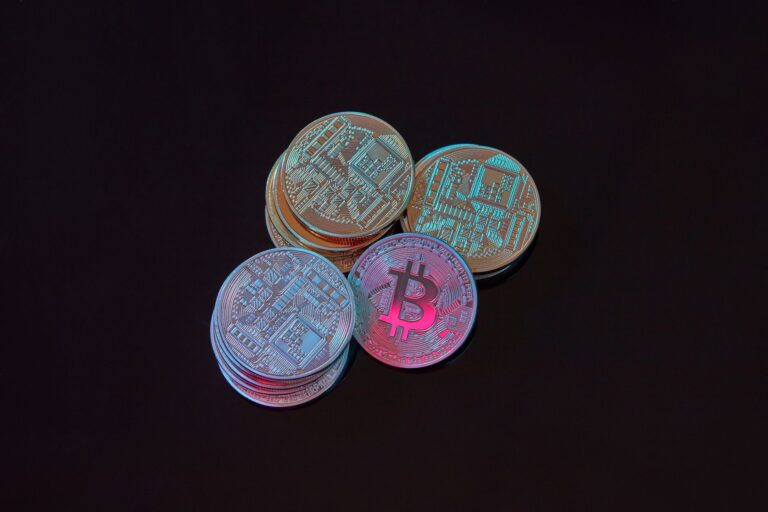
You can buy crypto with a debit card on most large US exchanges and in many wallet apps, and the coins usually land in your account within minutes. The catch is price. Card funding is typically the most expensive way in, often several percent per purchase before any trading fee or spread, while a bank transfer (ACH) is often free but slower. Card buys can also trigger withdrawal holds and get declined by your bank. This guide prices the same purchase three ways, walks through a card buy step by step, and explains declines, limits and fraud rules.
Key takeaways
- A debit card is the fastest way to fund a crypto purchase and usually the costliest; as of October 2026, Kraken lists US debit card deposits at $0.25 + 3.75%, against free ACH and FedWire deposits.
- Card-funded coins can carry a withdrawal hold (Kraken lists 72 hours for USD card purchases), so “instant” does not always mean “instantly movable”.
- Bank declines are common and usually come from fraud models or merchant-category rules, not from anything you did wrong.
- Debit card chargeback rights do not help if you willingly bought crypto and sent it to a scammer; crypto transfers are final.
Where you can buy crypto with a debit card
Three kinds of services take debit cards for crypto, and they behave differently.
Centralized exchanges. Coinbase, Kraken and similar US-registered platforms let you link a Visa or Mastercard debit card, either to deposit dollars or to buy a coin directly in one step. You keep the coins in a custodial account unless you withdraw them. Card support usually depends on your state and the card issuer, and some prepaid or virtual cards are refused.
Brokerage and payment apps. Apps such as Cash App, Robinhood, PayPal and Venmo let you hold a dollar balance and buy a short list of coins with it. In most of these apps the debit card is used to top up the balance rather than charged per coin purchase, and the app’s own fee or spread applies when you buy. Robinhood’s support page says it does not charge to deposit money into an investing account, but it charges up to 1.75% when you move money out to an external debit card.
Wallet on-ramps. Self-custody wallets embed third-party “buy” widgets run by payment companies. You pay with a card inside the wallet, the provider runs its own identity check, and the coins arrive straight in your wallet address. Convenience is high, but the provider’s processing fee and its exchange rate are both baked into the quote. If you plan to use Apple Pay or Google Pay instead of typing card details, our guide to buying crypto with Apple Pay covers that route.
Prepaid and gift debit cards are a separate case: many exchanges reject them outright because they cannot be matched to a verified name. If that is all you have, read our walkthrough on buying crypto with a gift card before trying.
What a debit card purchase really costs
A card purchase can stack up to three separate charges, and only some of them appear as a line item.
- Card processing fee. A percentage (sometimes plus a small flat amount) that covers card network and fraud costs. This is what makes cards expensive.
- Trading fee or spread. The exchange’s charge for the trade itself. On simple “buy” screens it is often hidden inside a price that sits slightly above the market rate.
- Bank-side fees. Most US debit cards charge nothing, but some banks add a foreign transaction fee if the merchant processes abroad, and a few treat crypto merchants as cash-like.
Platform fee schedules change, and they vary by state, account tier and payment method. The reliable way to compare is to open the purchase preview screen before you confirm; every major US platform shows the total fee and the amount of crypto you receive there.
The $250 cost ladder
To show why the payment method matters more than the coin you pick, here is one purchase priced three ways. The Kraken deposit fees are from Kraken’s “Cash deposit options” support page as of October 2026. The other two columns use made-up round numbers purely to illustrate how card and bank pricing usually compare; they are not any platform’s real rates.
| Funding method | Kraken deposit fee (Oct 2026) | Illustrative app A (3% card / 0% ACH) | Illustrative app B (4.5% card / 1.5% ACH) | Speed |
|---|---|---|---|---|
| Debit card | $0.25 + 3.75% = $9.63 | $7.50 | $11.25 | Near-instant |
| ACH bank transfer | Free | $0 | $3.75 | Near-instant to several days |
| Wire transfer | Free (FedWire) | Bank’s outgoing wire fee | Bank’s outgoing wire fee | Same or next business day |
Trading fees or spreads come on top of every row. Notice the pattern: the card column is the most expensive in every case, and the gap is largest on small, frequent purchases. A wire is only worth it for larger sums because your own bank typically charges a flat outgoing wire fee, often in the tens of dollars, which swamps a $250 buy. Our list of lowest-fee crypto exchanges compares trading fees once the money is in.
Debit card vs ACH for crypto: speed against price
The real trade-off is not just fees but how soon you can use what you bought.
| Debit card | ACH | Wire | |
|---|---|---|---|
| Typical cost | Highest | Often free | Exchange often free, bank charges to send |
| Funds tradable | Minutes | Often instantly on credit, otherwise days | After arrival, usually same day |
| Withdrawal hold | Common (Kraken: 72 hours) | Common and longer (Kraken: 7 days) | Usually none (Kraken: none) |
| Reversal risk for the platform | Chargeback | ACH return | Very low |
Holds exist because card payments and ACH debits can be clawed back after the platform has already released crypto that cannot be clawed back. Coinbase’s help pages, for example, say ACH bank transfers usually take 3 to 5 business days to settle and do not carry a Coinbase fee, which is why many platforms give you buying power up front but restrict withdrawals until the money clears.
So a debit card wins clearly in one situation: you need crypto in your account now and you will not be moving it off the platform for a few days anyway. If you are dollar-cost averaging a fixed amount each week, a recurring ACH buy is almost always cheaper, and our complete guide to buying crypto shows how to set one up across payment methods.
How to buy crypto with a debit card on an exchange
- Type the exchange address yourself. Use the official domain (for example coinbase.com or kraken.com, typed by hand or from a bookmark) or the app from the official app store. Search ads for exchanges are a known phishing route.
- Finish identity verification. US platforms need your legal name, address, date of birth, Social Security number and a photo ID before card purchases are enabled. The name on the card must match the account.
- Add the card. In payment methods, add a debit card. Many platforms place a small temporary charge or run a 3-D Secure check through your banking app to confirm you own the card. Approve it in your bank’s app if prompted.
- Choose buy or deposit. Some platforms let you buy a coin directly with the card; others make you deposit dollars first, then trade. A deposit-then-trade flow lets you use a cheaper order screen afterward.
- Read the preview. Check the card fee, the trading fee or spread, and the exact amount of crypto you will receive. If the total cost surprises you, cancel and compare with ACH.
- Confirm and note any hold. After the purchase, check the account’s “available to withdraw” figure. If a hold applies, the date it lifts is usually shown in the balance or withdrawal screen.
- Decide where to keep it. Leave it on the exchange for trading, or after the hold lifts, withdraw to a wallet you control.
The wallet on-ramp route is shorter: open the wallet’s buy tab, pick the coin and network, enter the card, verify with the provider, and the coins go to your wallet address. Double-check that the network shown matches the network your wallet expects, since a mismatch can strand funds.
Debit card declined for crypto: why banks say no
A declined crypto purchase is rarely about your balance. The usual causes are:
- Fraud scoring. A first-time purchase from a crypto merchant, especially a large one, looks like a classic scam pattern to bank fraud models. Many banks send a text or app alert; approving it and retrying often works.
- Merchant-category rules. Some issuers code crypto purchases as quasi-cash or block certain merchant categories. Prepaid cards are particularly likely to refuse.
- Daily card limits. Your bank’s own daily purchase limit can be lower than the exchange’s limit.
- Bank policy. A few banks restrict crypto payments outright. A well-documented example is Chase in the UK, which said it would decline debit card and bank transfer payments it believed were crypto-related from 16 October 2023, citing rising scam losses; other UK banks set caps on exchange payments around the same time. Policies at US banks vary and change, so ask yours directly rather than relying on online lists.
What to do: approve any fraud alert, call the number on the back of the card and ask whether crypto merchants are blocked, try a smaller amount, or switch to ACH, which banks tend to treat as a normal transfer to your own account. If you are thinking about using a credit card instead, read our guide to buying crypto with a credit card first, because cash-advance treatment changes the cost entirely.
Fraud, holds and debit card limits on crypto
What your debit card protects, and what it does not
US debit cards fall under the Electronic Fund Transfer Act and Regulation E, which limit your liability for unauthorized transfers, such as a thief using your card number, if you report promptly (the rule caps liability at $50 when you report within two business days of learning of a lost or stolen card, rising to $500 if you report later). That protection is about who started the payment. If you personally bought crypto and then sent it to a stranger, the card purchase was authorized and the crypto transfer is irreversible. Neither your bank nor the exchange can pull coins back from someone else’s wallet.
That gap is exactly what scammers use. Common scripts: a “bank fraud department” caller who says your account is compromised and you must buy crypto to “protect” it; a romance contact or investment “mentor” who walks you through buying on an exchange and sending it to their platform; a fake government agent who demands payment in Bitcoin. Anyone telling you to buy crypto with your debit card and send it to them is running a scam. See our crypto scams guide for the patterns, and report losses to the FBI at ic3.gov and to the FTC at reportfraud.ftc.gov (type the addresses yourself).
Purchase limits
Platforms set debit card limits by verification level, account age and payment history, and display them in the account’s limits or payment-methods screen. Expect lower card limits on a new account and higher ones once you have completed full verification and made a few successful purchases. Your bank’s daily debit limit applies separately, so the lower of the two wins.
FAQ
Can you buy bitcoin with a debit card instantly?
Usually yes. On major US exchanges and payment apps a successful debit card purchase of bitcoin shows up in your account within minutes. What may not be instant is moving it out: platforms often hold card-funded coins before you can withdraw them to another wallet. As of October 2026, Kraken’s support page lists a 72-hour withdrawal hold for USD debit card purchases.
What are typical debit card crypto fees?
Card funding usually costs a few percent per purchase, sometimes with a small flat charge, plus a trading fee or spread. As of October 2026, Kraken lists US debit card deposits at $0.25 + 3.75% while ACH and FedWire deposits are free. Fees change and differ by platform and state, so compare the “you receive” amount on the purchase preview for card and bank transfer before you confirm.
Why is my debit card declined for crypto?
The most common reasons are your bank’s fraud system flagging a new crypto merchant, a merchant-category block on crypto or quasi-cash purchases, your bank’s daily limit, or a billing address mismatch. Approve any fraud alert, call your bank to ask if crypto purchases are restricted, try a smaller amount, or use ACH instead.
Is it better to use a debit card or ACH for crypto?
For cost, ACH almost always wins because many exchanges do not charge for it, while card funding carries a percentage fee. A debit card is better only when speed matters, since card purchases settle in minutes. Both methods can come with withdrawal holds, so neither guarantees you can move coins off the platform immediately.
Crypto is volatile and risky; this is education, not financial advice. Do your own research.
Can I sell crypto and withdraw the money back to my debit card?
Some exchanges and apps let you sell crypto and send the proceeds to an eligible debit card, often within minutes, in what is usually called an instant withdrawal or instant cash-out. These typically carry a percentage fee and lower limits than bank transfers. The cheaper option is usually a standard withdrawal to your linked bank account, which can take one to a few business days. Not every card that can buy can also receive funds, so check the withdrawal screen. Selling can also create a taxable gain in many countries.
What happens if I use a debit card in a different currency to buy crypto?
If your card’s currency differs from the currency the platform charges in, your bank or the card network converts the amount, and you may pay a foreign transaction fee plus a less favourable exchange rate on top of the platform’s own card fee and spread. Some platforms let you pay in your card’s currency, which shifts the conversion to them, often with their own markup. To keep costs down, choose a platform that supports your local currency, or use a card designed for low-cost foreign spending, and compare the final crypto amount.
Do I need to verify my identity to buy crypto with a debit card?
In most cases, yes. Regulated exchanges and on-ramp providers require identity verification before accepting card payments, both to meet anti-money-laundering rules and to reduce card fraud. Some on-ramps allow very small purchases with lighter checks, but limits rise only after full verification. The name on the card generally needs to match the verified account holder, and cards belonging to someone else are usually rejected or flagged. Sites promising large card purchases with no verification at all are a common sign of scams or unlicensed operators.