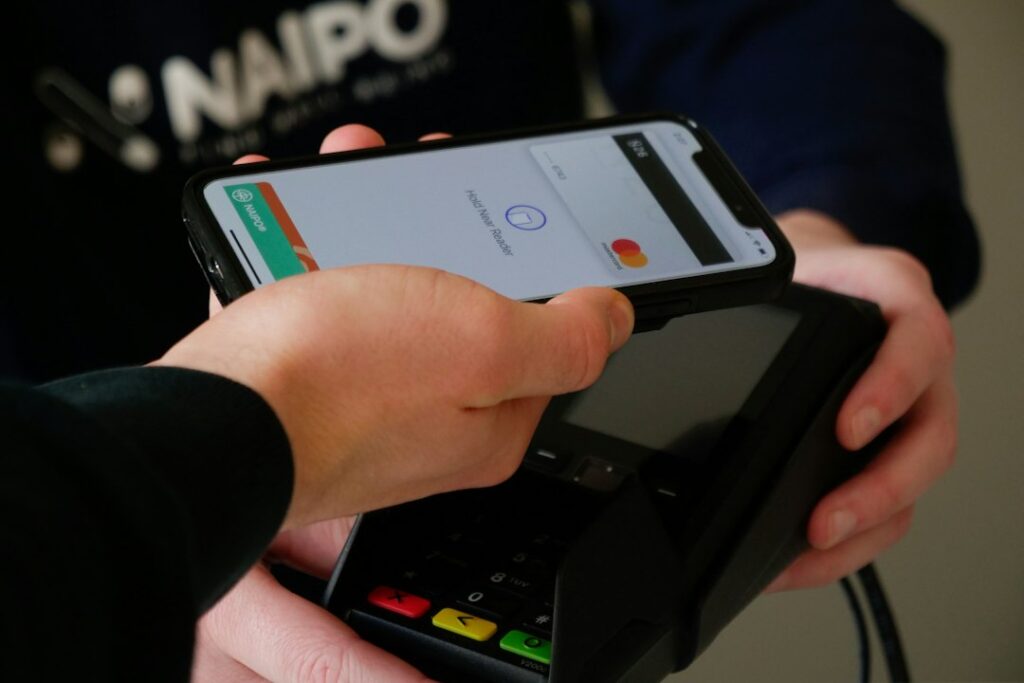
Venmo crypto lets US users buy, sell, hold and send six cryptocurrencies plus the PayPal USD (PYUSD) stablecoin from the Crypto tab of the Venmo app. As of October 2026, Venmo charges 1.5% to 2.2% per buy or sell depending on the amount, plus a spread built into the exchange rate, while PYUSD trades carry no fee. You can send coins to other Venmo or PayPal users for free or to an external wallet for a network fee. This walkthrough follows each screen from the Crypto tab to an external transfer and puts a cost on every tap.
Key takeaways
- As of October 2026 Venmo supports BTC, ETH, LTC, BCH, SOL and LINK, plus PYUSD, for verified US personal accounts.
- Venmo’s fee page lists 2.20% for $1–$74.99, 2.00% for $75–$200, 1.80% for $200.01–$1,000 and 1.50% above that, on both buys and sells; a spread is added on top.
- Limits: $20,000 of purchases per week, $50,000 per rolling 12 months, and $25,000 of crypto sends per week.
- Since 19 May 2026 Venmo’s crypto service is provided by PayPal Digital, Inc. (doing business as Venmo Digital).
What you can do with Venmo crypto
Venmo’s crypto feature is a simple broker built into a payments app, not a trading platform. Here is what it supports and what it does not:
| Action | Supported? | Cost (as of October 2026) |
|---|---|---|
| Buy or sell BTC, ETH, LTC, BCH, SOL, LINK | Yes, from $1 | 1.50%–2.20% fee plus spread |
| Buy or sell PYUSD | Yes | No fee |
| Send crypto to another Venmo or PayPal user | Yes | Free |
| Receive crypto from anyone | Yes | Free |
| Send to an external wallet or exchange | Yes | Network fee, paid in the coin sent |
| Recurring buys | Yes | Fee and spread on each buy |
| Limit orders, charts beyond basics, staking | No | Not applicable |
| Business profiles | No; personal profiles only | Not applicable |
To use crypto you need a personal Venmo account, identity verification including your Social Security number or ITIN, and US residency (PayPal Digital’s terms also allow US territories). Venmo’s crypto runs through the same PayPal Digital entity that powers PayPal’s crypto hub; our PayPal crypto guide covers the PayPal side, which has some features Venmo does not, such as selling into PYUSD.
How to buy crypto with Venmo, step by step
This is the path in the app, with what each step costs.
- Open the Crypto tab. From the home screen, tap the Crypto section. If it is your first time, Venmo asks you to accept the crypto terms and may request extra identity details. Cost: nothing.
- Pick a coin. Each coin page shows a price chart and your holdings. Cost: nothing. The price shown is a reference price, not the price you will get.
- Tap Buy and enter a dollar amount. The minimum is $1. You can pay from your Venmo balance, a linked bank account or a debit card. Cost: none yet, but if your balance is short, the shortfall is pulled from your bank or card.
- Read the review screen. Venmo shows the fee, the exchange rate and the amount of crypto you will receive. Cost: this is where the fee tier applies, and the exchange rate already includes Venmo’s spread.
- Confirm. The coins appear in your Crypto tab within moments. Cost: the total you just reviewed.
A recurring buy follows the same screens with a frequency selector. PayPal Digital’s terms say each recurring buy carries its own transaction fee and an exchange rate that includes the spread, so small weekly buys keep landing in the highest fee tier.
Venmo crypto fees and the spread
Venmo publishes its transaction fee tiers on its “Fees with your Venmo Account” page. As viewed in October 2026:
| Buy or sell amount | Fee | Example |
|---|---|---|
| $1.00 – $74.99 | 2.20% | $50 buy: $1.10 |
| $75.00 – $200.00 | 2.00% | $150 buy: $3.00 |
| $200.01 – $1,000.00 | 1.80% | $500 buy: $9.00 |
| Above $1,000.00 | 1.50% | $2,000 buy: $30.00 |
| PYUSD buy or sell | No fee | $100 of PYUSD: $0 |
The examples above show only the stated fee. The spread is extra and is not published as a fixed percentage; PayPal Digital’s terms describe the exchange rate as “including our spread”. To see it, compare the rate on Venmo’s review screen with a live market price from a major exchange at the same moment. The difference, multiplied by the amount, is roughly what the spread costs you.
Remember the round trip. Selling also carries a tiered fee and a spread, so a coin bought and later sold through Venmo pays both sides. Older reviews may quote flat fees such as $0.49 or $2.49 for small trades; those reflect an earlier schedule, and the October 2026 fee page uses percentages for all tiers. If you buy often or in larger amounts, a lower-cost exchange will usually be cheaper, and our guide to buying crypto compares the main routes; Cash App is another payments-app option, compared in our Cash App bitcoin guide.
Sending Venmo crypto to an external wallet
Venmo lets you send supported coins to a wallet you control or to someone else’s wallet. The flow:
- In the Crypto tab, pick the coin and tap Transfer, then Send. Choose to send to an external address rather than a Venmo contact.
- Paste or scan the destination address. It must match the coin: a bitcoin address for BTC, not a Bitcoin Cash or Ethereum address. For PYUSD you also select the network. PayPal Digital’s terms list Ethereum, Solana, Arbitrum and Stellar as PYUSD networks; send only on a network your receiving wallet supports.
- Enter the amount. PayPal Digital’s terms set minimum external transfer amounts, for example 0.001 BTC, 0.01 ETH, 0.01 SOL, 1 LINK, and 10 PYUSD on Ethereum or 1 PYUSD on Solana, Arbitrum or Stellar.
- Review the network fee. The fee is charged in the coin you are sending, varies with blockchain congestion, and is shown before you confirm.
- Verify and send. Venmo may ask for extra verification. Some transfers are held for review based on account history.
Two warnings apply. First, using the wrong address type or network means the coins are, in PayPal Digital’s words, “irretrievably lost”. Send a small test first. Second, the $25,000 weekly send limit includes external transfers. Our guide to sending and receiving crypto explains addresses and networks in more depth.
Receiving works in reverse: open the coin, tap Receive, and share the address Venmo shows. Coins sent in from elsewhere arrive without a Venmo-recorded cost basis, so keep your own purchase records for tax.
PYUSD on Venmo
PYUSD is a US-dollar stablecoin issued by Paxos for PayPal. On Venmo it behaves differently from the other coins:
- No buy or sell fee as of October 2026, so moving between dollars and PYUSD inside Venmo costs nothing in fees.
- Multiple networks for external transfers, listed in the terms as Ethereum, Solana, Arbitrum and Stellar. Your Venmo balance does not belong to one specific chain; you choose the network when you send.
- Rewards program. PayPal Digital runs a PYUSD rewards program for eligible users. Its terms say the rate is set at PayPal’s discretion, is not guaranteed and can change at any time, and that PYUSD holdings are not bank deposits. Check the current terms in the app rather than relying on any quoted figure.
- Not FDIC-insured. Paxos must back PYUSD with dollar deposits, short-term Treasuries and similar assets, but holders depend on the issuer’s reserves and redemption process.
Venmo crypto taxes, limits and scams
Taxes
Selling crypto on Venmo, spending it, or converting it is a taxable disposal in the US; buying with dollars is not. PayPal Digital’s terms say it will provide required IRS 1099 forms for crypto sales and that those forms show gross proceeds only, while your Venmo statements include cost basis for coins bought on Venmo, calculated using the highest-in-first-out (HIFO) method. Under IRS broker reporting rules, 2025 sales are the first reported on the new Form 1099-DA. Our explainer on Form 1099-DA covers what the form shows and what you still have to calculate. This is general information, not tax advice.
Limits
| Limit (Venmo-linked crypto account) | Amount, as of October 2026 |
|---|---|
| Purchases per week | $20,000 |
| Purchases per rolling 12 months | $50,000 |
| Minimum purchase or sale | $1 |
| Crypto sends per week | $25,000 equivalent |
The annual purchase cap is the one most likely to matter: once you have bought $50,000 in a rolling year, Venmo will not let you buy more until older purchases roll off.
Scams that target Venmo crypto users
- “Send me crypto, I’ll pay you back.” A friend’s hacked account or a stranger asks you to buy and send crypto, promising to repay on Venmo. The repayment never comes, or arrives from a stolen card and is reversed.
- Fake buyers. Someone offers to buy your crypto, pays through Venmo, then disputes or reverses the payment after you have sent coins that cannot be recalled.
- Impersonated support. Fake “Venmo support” contacts you by text or social media to “unlock” or “verify” your crypto. Venmo support will not ask you to send crypto to an outside address.
- Investment “mentors.” A contact coaches you to buy on Venmo and send to their “platform.” Crypto sent to a scammer is gone; Venmo’s Purchase Protection is built for eligible purchases of goods and services, not crypto transfers.
Report fraud to Venmo straight away, and to the FBI at ic3.gov and the FTC at reportfraud.ftc.gov (type the addresses yourself).
FAQ
How much are Venmo crypto fees?
As of October 2026, Venmo charges 2.20% on buys or sells of $1–$74.99, 2.00% on $75–$200, 1.80% on $200.01–$1,000 and 1.50% above $1,000. PYUSD buys and sells are free. A spread is also built into the exchange rate, and sending crypto to an outside wallet carries a network fee paid in the coin sent.
Can you send crypto from Venmo to another wallet?
Yes. From the Crypto tab, choose a coin, tap Transfer, then send to an external address. You pay a network fee in the coin being sent, minimum amounts apply (for example 0.001 BTC), and the address must match the coin and network. Sends to other Venmo or PayPal users are free. Crypto transfers cannot be reversed.
Does Venmo report crypto to the IRS?
Yes. PayPal Digital, which provides Venmo’s crypto service, says it issues required IRS 1099 forms for crypto sales and reports them to the IRS. For 2025 sales, brokers report gross proceeds on Form 1099-DA. Your Venmo statements show cost basis for coins bought on Venmo, but you need your own records for coins transferred in.
Does the Venmo Credit Card still offer cash back in crypto?
Venmo introduced Cash Back to Crypto for its credit card in 2021, which automatically used card cash back to buy a chosen coin. Venmo’s help center still listed Cash Back to Crypto terms updated in May 2026, but card rewards changed in autumn 2026, so check the rewards settings in your app to see whether the option is still offered to you.
Crypto is volatile and risky; this is education, not financial advice. Do your own research.
Can I move crypto between Venmo and PayPal?
Yes. Venmo’s crypto service and PayPal’s crypto hub are both run by PayPal Digital, and Venmo lets you send supported coins to another Venmo or PayPal user as well as to external wallets. Transfers to a PayPal user do not need a blockchain address, while sends to your own PayPal crypto balance work like any other external transfer, using the receive address PayPal shows. Every send counts toward the $25,000 weekly crypto send limit, and buying back on the other app means paying a new fee and spread.
Can I cancel or reverse a crypto transfer sent from Venmo?
No. Once a crypto send to an external address is confirmed on the blockchain, neither Venmo nor PayPal Digital can pull it back. Crypto sent to another Venmo or PayPal user is also treated as final, which is why scammers favor asking for crypto rather than a normal payment. Double-check the address, coin and network on the review screen, and send a small test amount first when using a new wallet. If you are tricked into sending, report it to Venmo immediately, though recovery is unlikely.
Is crypto held on Venmo insured?
No. Crypto in your Venmo account is not covered by FDIC or SIPC insurance, and PYUSD holdings are not bank deposits either. PayPal Digital holds the coins on your behalf, so you rely on the company’s custody and security rather than holding your own keys. Venmo account protections against unauthorized activity do not guarantee crypto losses will be refunded. Moving larger balances to a wallet you control removes custodian risk but makes you responsible for your own backup and security.
Is Venmo or Coinbase cheaper for buying bitcoin?
For most purchases, a full exchange works out cheaper than Venmo. Venmo charges a tiered fee from 2.20% on small buys down to 1.50% above $1,000, plus an unpublished spread, and selling costs the same again. Coinbase’s simple buy screen is also costly, but its advanced trading view uses maker/taker fees that are usually far lower on the same order. Venmo’s advantages are convenience and sending crypto to friends; regular or larger buyers typically pay less on an exchange.