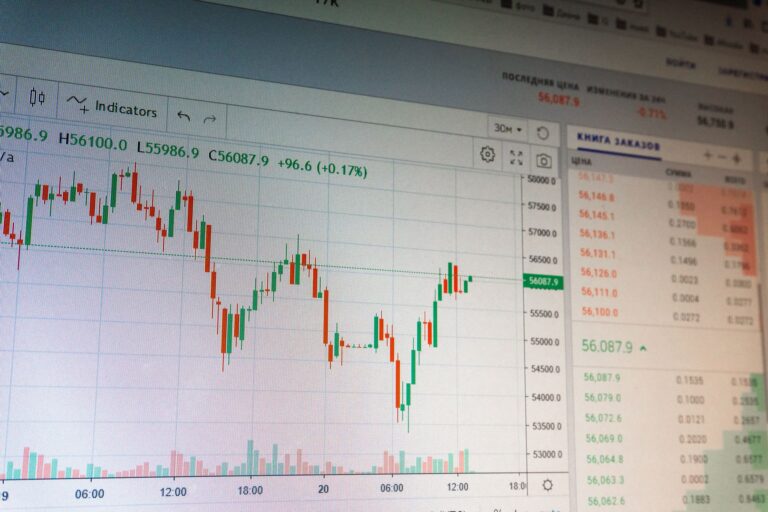

Stacks (STX) Price History
Stacks launched in 2019 as the first SEC-qualified token offering in the United States, initially trading below $0.20. The project spent its early years building out the infrastructure needed to bring smart contracts to Bitcoin, and STX remained under $0.50 through most of 2020.
The 2021 bull market changed everything for Stacks. As interest in Bitcoin Layer 2 solutions grew, STX surged from around $0.25 in January 2021 to an all-time high near $3.60 in November 2021. This represented a more than 14x gain in under a year, driven by growing awareness that Bitcoin needed programmability to compete with Ethereum’s DeFi ecosystem.
The 2022 bear market hit STX hard, dragging prices below $0.30 by the end of the year. However, the 2023 Bitcoin Ordinals craze reignited interest in the Bitcoin ecosystem, and STX rallied to over $2.50 in early 2024. The Nakamoto upgrade announcement and sBTC development kept momentum strong through mid-2024 before broader market conditions caused a pullback. As of early 2026, STX trades in a range that reflects both the progress Stacks has made and the uncertainty that remains around Bitcoin DeFi adoption.
What Is Stacks?
Stacks is a smart contract layer that brings programmability to Bitcoin without modifying Bitcoin’s core protocol. Unlike other Layer 2 solutions that rely on sidechains or custodial bridges, Stacks uses a unique consensus mechanism called Proof of Transfer (PoX) that anchors directly to Bitcoin’s blockchain. Every Stacks transaction is ultimately settled on Bitcoin, inheriting its security.
The Stacks ecosystem enables decentralized finance, NFTs, and decentralized applications to be built on top of Bitcoin. Developers use Clarity, a decidable smart contract language designed to be predictable and secure. This matters because Clarity contracts can be formally verified, meaning developers can mathematically prove their code behaves as intended before deployment.
Current Market Position
Stacks currently positions itself as the leading smart contract platform in the Bitcoin ecosystem. With the Nakamoto upgrade completed, Stacks transactions now finalize in minutes rather than the previous 10-30 minute Bitcoin block time dependency. This upgrade fundamentally changed the user experience on Stacks, making it competitive with faster chains for DeFi applications.
The total value locked (TVL) in Stacks DeFi protocols has grown as sBTC brings trustless Bitcoin-backed assets into the ecosystem. Stacks competes with other Bitcoin Layer 2 projects like Lightning Network (focused on payments), Liquid Network (focused on trading), and newer entrants like RGB and BitVM. However, Stacks has the advantage of being the most battle-tested and widely adopted smart contract platform on Bitcoin.
Key Catalysts for STX
- sBTC Adoption: sBTC is a decentralized, programmable Bitcoin-backed asset on Stacks. Unlike wrapped Bitcoin on Ethereum (wBTC), sBTC does not rely on a centralized custodian. As sBTC adoption grows, it could unlock billions in Bitcoin capital for DeFi use, directly increasing demand for the Stacks network and STX.
- Bitcoin DeFi Growth: Bitcoin holds over $1 trillion in market cap but only a fraction participates in DeFi. If even a small percentage of Bitcoin holders begin using Stacks-based DeFi protocols, the demand for STX (used for gas fees and stacking rewards) could increase substantially.
- Institutional Interest in Bitcoin Yield: With Bitcoin ETFs approved and institutional holders seeking yield on their BTC holdings, Stacks offers a path to earn returns on Bitcoin without leaving the Bitcoin ecosystem.
- Nakamoto Upgrade Effects: The completed Nakamoto upgrade enables fast finality and 100% Bitcoin finality for Stacks transactions, removing a major criticism of the network’s previous slow confirmation times.
Bullish Case for STX
The bullish thesis for Stacks centers on the massive untapped potential of Bitcoin DeFi. Bitcoin’s market capitalization dwarfs every other cryptocurrency, yet its DeFi ecosystem is tiny compared to Ethereum or Solana. If Bitcoin holders want to earn yield, trade, or use their BTC in decentralized applications without converting to another asset, Stacks is the most mature platform to do so. The successful rollout of sBTC and the Nakamoto upgrade remove two of the biggest technical barriers that previously held the ecosystem back.
Additionally, regulatory clarity around Bitcoin could benefit Stacks. Since STX was SEC-qualified, it occupies a unique legal position among crypto tokens, which could become a significant advantage as regulation tightens around other tokens.
Bearish Case for STX
The bearish case acknowledges that Bitcoin DeFi faces cultural resistance. Many Bitcoin maximalists view smart contracts and DeFi as unnecessary or even harmful to Bitcoin’s core value proposition as sound money. If the Bitcoin community does not embrace programmability, Stacks may struggle to attract sufficient users regardless of its technical merits. Additionally, competing Bitcoin Layer 2 projects could fragment the ecosystem, and Ethereum-based wrapped Bitcoin solutions may remain more liquid and widely used.
STX Price Prediction 2026
Price predictions for STX in 2026 depend heavily on whether Bitcoin DeFi reaches a tipping point of adoption. In a conservative scenario where growth continues at a moderate pace, STX could trade between $1.00 and $2.50, reflecting steady but unspectacular development. In a more optimistic scenario where sBTC gains significant traction and Bitcoin DeFi TVL grows meaningfully, STX could test its previous highs and trade between $3.00 and $5.00. A highly bullish scenario tied to a broader crypto bull market and explosive Bitcoin DeFi adoption could see STX push above $5.00, though this would require substantial catalysts aligning simultaneously.
For long-term predictions beyond 2026, the trajectory of STX will likely mirror the success or failure of Bitcoin DeFi as a category. Investors should monitor sBTC TVL, active developer counts, and the number of unique wallets interacting with Stacks-based protocols as leading indicators.
To buy STX, check our guide on the best crypto exchanges that support Stacks trading.
Compare STX With Other Predictions
Frequently Asked Questions
What is sBTC and why does it matter for Stacks?
sBTC is a decentralized Bitcoin-pegged asset on the Stacks network. Unlike centralized wrapped Bitcoin products, sBTC allows Bitcoin holders to use their BTC in DeFi applications on Stacks without trusting a custodian. This is significant because it unlocks Bitcoin’s massive capital base for programmable use cases like lending, borrowing, and trading, which could drive substantial demand for the Stacks network.
How does Stacks secure itself through Bitcoin?
Stacks uses Proof of Transfer (PoX), a consensus mechanism where Stacks miners spend actual Bitcoin to mine STX blocks. This means every Stacks block is anchored to a Bitcoin transaction, and the entire history of the Stacks chain is recorded on Bitcoin’s blockchain. After the Nakamoto upgrade, Stacks transactions achieve 100% Bitcoin finality, meaning they are as irreversible as Bitcoin transactions once confirmed.
What is the difference between Stacks and other Bitcoin Layer 2 solutions?
Lightning Network focuses on fast payments, Liquid Network on trading and asset issuance, and newer projects like RGB on client-side validation. Stacks is the only Bitcoin Layer 2 that offers full smart contract capabilities with its own programming language (Clarity) while settling on Bitcoin. This makes Stacks uniquely suited for complex DeFi applications rather than simple transfers. Learn more in our guide to Stacks.
Is STX a good investment?
STX carries both significant upside potential and notable risk. The upside comes from the enormous addressable market of Bitcoin capital that could flow into DeFi. The risk comes from the uncertainty around whether Bitcoin DeFi will achieve mainstream adoption and competition from alternative solutions. As with all cryptocurrency investments, only invest what you can afford to lose and conduct thorough research before making any decisions.
Where can I buy STX?
STX is available on most major cryptocurrency exchanges. For a comparison of the best platforms to purchase STX, see our best crypto exchange guide. Always use a reputable exchange and consider transferring your tokens to a personal wallet for long-term storage.
Last Updated: March 2026
Disclaimer: This article is for informational purposes only and does not constitute financial advice. Cryptocurrency investments carry significant risk, and you should consult a qualified financial advisor before making investment decisions. Past performance does not guarantee future results.