
Last Updated: March 2026
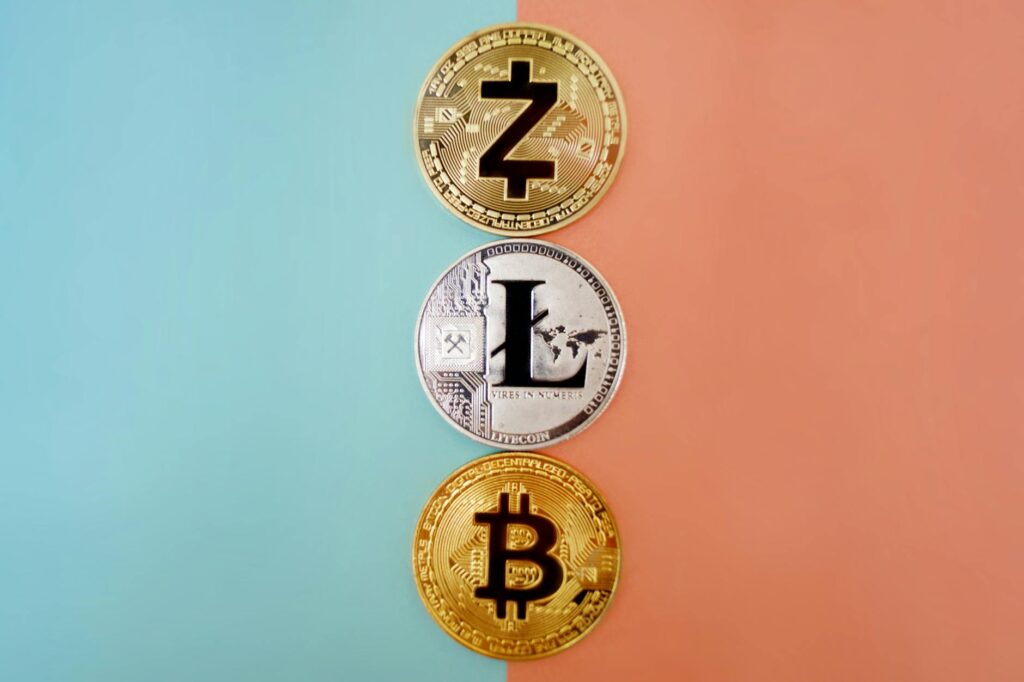
Zcash (ZEC) is a privacy cryptocurrency offering optional shielded transactions using zero-knowledge proofs (zk-SNARKs). Founded by one of the inventors of ZK proofs, Zcash gives users the choice between transparent (like Bitcoin) and private transactions.
History
Zcash launched in October 2016 as the first cryptocurrency to deploy zk-SNARKs in production. The original technology came from academic research by Eli Ben-Sasson, Alessandro Chiesa, and others through the Zerocash protocol, commercialized by Electric Coin Company (founded by Zooko Wilcox). Zcash was a foundational moment for zero-knowledge cryptography in crypto — the same primitives now power Ethereum’s ZK rollups, ZK identity systems, and the broader “ZK everywhere” narrative.
Strategically, Zcash has spent the post-2020 years deepening its privacy properties via the Halo 2 proving system (eliminating the trusted setup that the original zk-SNARKs required) and the Orchard shielded pool. The 2024-2025 development focus has been the Crosslink upgrade for finality (replacing PoW with hybrid PoS finality) and continued shielded transaction adoption.
Transparent vs Shielded
- Transparent (t-addresses): Zcash transactions can use Bitcoin-style transparent addresses. Sender, receiver, and amount are publicly visible. Functionally equivalent to a standard UTXO chain
- Shielded (z-addresses, Orchard pool): Transactions reveal nothing publicly — no sender, no receiver, no amount. The cryptographic proof (zk-SNARK) shows the transaction is valid (no double-spend, balance preserved) without revealing the underlying data
- Shielding/deshielding: Moving funds between transparent and shielded address types — fully supported and the most common privacy use pattern
- Memo field (shielded only): Shielded transactions can include encrypted memos visible only to sender and receiver — useful for invoicing, donation IDs, or reference numbers
Tokenomics
ZEC: Hard cap of 21M — identical to Bitcoin. Halving schedule every 4 years (~840,000 blocks). Distribution: 80% mined by network participants, 20% to a Development Fund split between Electric Coin Company, Zcash Foundation, and a Major Grants pool.
Utility:
- Private payments: Send ZEC to a z-address with full transaction privacy
- Mining (still PoW until Crosslink): Equihash variant; ASIC-mineable
- Future staking (post-Crosslink): Hybrid PoS finality layer planned
- Store of value alternative: Bitcoin-style hard cap with optional privacy
See our tokenomics guide.
Pros and Cons
- Pro: Industry-leading cryptographic privacy — zk-SNARKs are the gold standard for transaction-level privacy
- Pro: Halo 2 eliminates the original Zcash trusted-setup ceremony — entirely trustless privacy now
- Pro: Bitcoin-equivalent hard cap (21M) and halving schedule give monetary policy similar to BTC
- Pro: Academic and research credibility — Zcash team continues to publish foundational ZK research
- Con: Privacy is opt-in (most ZEC volume historically used transparent addresses) — anonymity set is smaller than ideal
- Con: Regulatory headwinds — many exchanges delist privacy coins under regulatory pressure (Japan, Korea, parts of EU)
- Con: Monero (XMR) is the more widely-used privacy coin in practice, especially in regions where privacy demand is highest
- Con: Slower transaction times than mainstream chains; ecosystem and DeFi tooling are minimal
Frequently Asked Questions
Zcash vs Monero — which is better for privacy?
Both achieve transaction privacy by different means and with different trade-offs. Monero uses ring signatures + stealth addresses + RingCT — privacy is mandatory for every transaction, creating a uniformly large anonymity set. Zcash uses zk-SNARKs — cryptographically stronger privacy guarantees (zero information leakage to non-participants), but privacy is opt-in, so the anonymity set is smaller than ideal. If you want mandatory uniformity, Monero. If you want the strongest cryptographic guarantees with selective disclosure, Zcash. See Monero analysis for context.
Is ZEC a good investment?
ZEC is a long-cycle bet on (a) on-chain privacy mattering as more financial activity moves on-chain, and (b) zk-SNARK technology remaining strategically important. The bear case is regulatory pressure and Monero’s stronger network effect in privacy use cases. The bull case is that ZK technology is foundational to crypto’s future and Zcash benefits from being the original. See altcoin guide.
What is Halo 2 and why does it matter?
The original Zcash zk-SNARK construction required a trusted setup ceremony — a multi-party computation generating cryptographic parameters that were assumed to be honestly destroyed afterward. If anyone retained the “toxic waste,” they could counterfeit ZEC undetectably. Halo 2 (deployed in the NU5 upgrade, 2022) replaced the original construction with a trustless one — no setup ceremony required, no toxic waste concern. This is a strictly stronger security model and brings Zcash up to the modern ZK standard.
Why is privacy opt-in instead of mandatory?
Historical compatibility — Zcash launched with both transparent and shielded address types to allow compatibility with Bitcoin-style infrastructure (exchanges, wallets). The trade-off is that the anonymity set in the shielded pool is smaller than if every transaction used it. Recent development (Unified Addresses, default shielded behavior in new wallets) has pushed toward shielded-first, but legacy transparent volume remains significant.


