
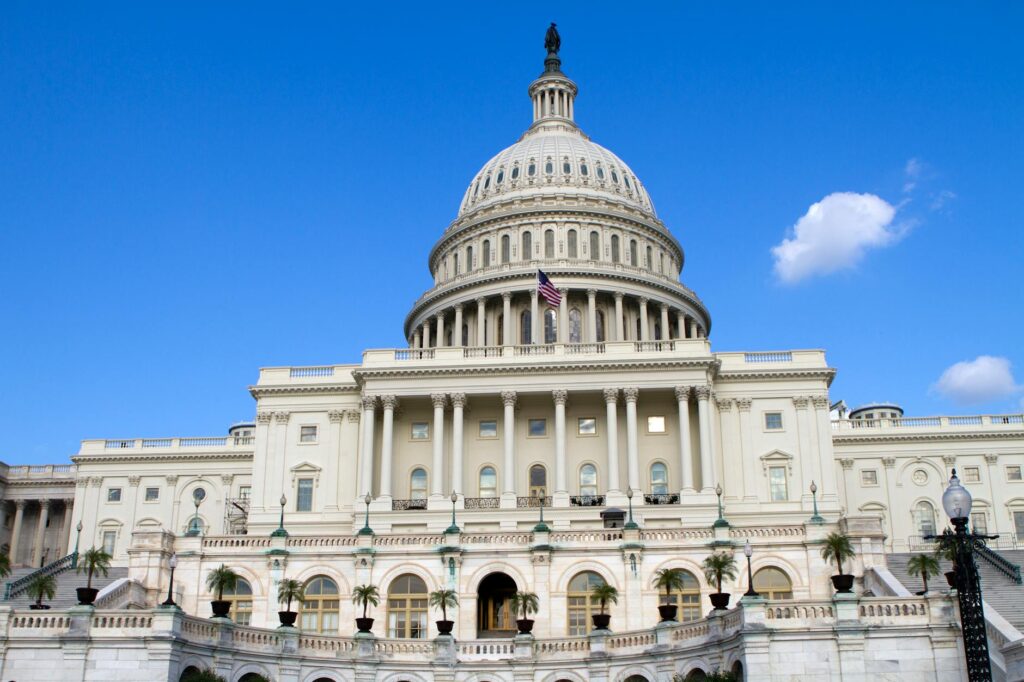
Former and current US political figures’ stances on cryptocurrency have become major market movers, and Trump crypto news is among the most closely followed political developments in the digital asset space. From campaign promises to executive orders, crypto policy at the highest levels of US government directly impacts market sentiment, regulation, and adoption. This article covers the evolving relationship between US political leadership and cryptocurrency, and what it means for investors.
Trump’s Crypto Policy Evolution
The political landscape around cryptocurrency in the US has undergone a dramatic transformation. What was once a niche topic has become a major policy issue with bipartisan attention. Crypto-focused campaign pledges, executive orders establishing strategic Bitcoin reserves, and shifting regulatory approaches have all kept Trump crypto news in the headlines.
Key policy positions that have impacted crypto markets include proposals for a US strategic Bitcoin reserve, pledges to make the US the “crypto capital of the world,” promises to reform SEC crypto enforcement, support for Bitcoin mining on US soil, and opposition to central bank digital currencies (CBDCs). These positions represent a significant shift from the previous administration’s more cautious approach and have contributed to bullish sentiment in crypto markets.
Strategic Bitcoin Reserve: What It Means
One of the most significant crypto policy developments has been the proposal and potential establishment of a US strategic Bitcoin reserve. This concept—modeled loosely on the Strategic Petroleum Reserve—would involve the US government acquiring and holding Bitcoin as a strategic asset. The government already holds significant Bitcoin from law enforcement seizures; the question is whether to retain and potentially expand these holdings rather than auctioning them off.
If implemented, a strategic Bitcoin reserve would have profound implications for the market. Government buying would create structural demand, potentially putting a floor under Bitcoin’s price. It would also signal legitimacy at the highest level—if the US government holds Bitcoin as a reserve asset, it validates the thesis that Bitcoin is a store of value. This development is being closely watched alongside Bitcoin ETF flows as a driver of institutional demand.
SEC and Crypto Regulation Under Current Leadership
The Securities and Exchange Commission’s approach to crypto has shifted significantly. Under previous leadership, the SEC took an enforcement-first approach, pursuing cases against major exchanges and token issuers while providing limited regulatory clarity. The current approach emphasizes clearer guidelines, potential safe harbors for certain crypto activities, and a more collaborative relationship with the industry.
Key regulatory developments include: rethinking the application of the Howey test to digital assets, potential frameworks distinguishing between securities tokens and commodities, withdrawal or modification of certain enforcement actions, and staff guidance on token launches and DeFi activities. These changes have been welcomed by the industry but remain works in progress, with final rules and legislation still needed for full regulatory clarity.
For how these regulatory changes interact with the broader legislative agenda, see our coverage of the Clarity Act and market structure bill.
Impact on Bitcoin Mining Policy
US policy on Bitcoin mining has become more supportive, with an emphasis on domestic energy production and the potential for mining to complement grid management. Key developments include opposition to proposed mining taxes, support for miners using stranded or flared natural gas, recognition of mining as a contributor to grid stability in certain contexts, and incentives for renewable energy mining operations.
This policy stance has encouraged expansion of US-based mining operations and attracted mining companies to establish or expand facilities in states with favorable energy policies. For more on the mining industry, see our Bitcoin mining guide.
CBDC Opposition and Dollar Stablecoin Support
The current policy stance has been explicitly opposed to a Federal Reserve-issued CBDC (Central Bank Digital Currency), citing privacy concerns and the potential for government surveillance of financial transactions. Instead, there has been support for regulated dollar-backed stablecoins as a way to maintain dollar dominance in digital markets.
This position benefits the private stablecoin market—issuers like Circle (USDC) and Tether (USDT) operate in a more favorable environment when CBDC competition is off the table. Stablecoin legislation, which would create a comprehensive regulatory framework for dollar-backed digital currencies, has been a legislative priority and could provide significant clarity for the sector.
Crypto as a Political Issue: Bipartisan Dynamics
Cryptocurrency has become an increasingly bipartisan issue in US politics. While the current administration has been notably crypto-friendly, support for digital asset innovation spans both parties. The crypto industry has become a significant political donor and lobbying force, contributing to campaigns across the political spectrum and advocating for favorable legislation.
Key bipartisan areas include the need for regulatory clarity, support for blockchain innovation, recognition of crypto’s potential for financial inclusion, and the strategic importance of maintaining US leadership in financial technology. However, disagreements remain around consumer protection standards, environmental concerns about mining, and the extent to which crypto should be regulated like traditional financial products.
What This Means for Crypto Investors
Favorable US crypto policy creates a more supportive environment for investment, but investors should be aware that policy can change with administrations and legislative cycles. Key implications for investors include reduced regulatory risk (supportive policy decreases the chance of adverse enforcement actions), potential for increased institutional participation as regulatory clarity improves, support for Bitcoin’s price through strategic reserve discussions and ETF-friendly regulation, and the importance of staying informed about policy developments that could shift market sentiment.
Understanding these political dynamics is essential for contextualizing crypto market movements and making informed investment decisions.
Frequently Asked Questions
How does US political policy affect crypto prices?
US political policy directly impacts crypto prices through regulatory decisions, enforcement actions, tax policy, and signaling. Supportive policies (regulatory clarity, ETF approvals, strategic reserves) tend to boost prices, while hostile policies (enforcement actions, restrictive legislation, mining taxes) tend to suppress them. As the world’s largest economy and home to many major crypto companies, US policy has outsized global influence.
What is the US strategic Bitcoin reserve?
A proposed policy to have the US government acquire and hold Bitcoin as a strategic reserve asset, similar to gold reserves or the Strategic Petroleum Reserve. The government already holds seized Bitcoin; the question is whether to retain and expand these holdings as a matter of national economic strategy.
Will crypto regulation get easier in the US?
The trend is toward more regulatory clarity, though not necessarily less regulation. The goal of current proposals is to create clear rules that distinguish between different types of digital assets, provide compliance pathways for legitimate projects, and maintain investor protection while enabling innovation.
How does crypto politics affect my taxes?
Political developments can change crypto tax policy. Proposals to reduce capital gains rates, modify wash sale rule applicability to crypto, or change reporting requirements could all affect how much you owe on crypto gains. Stay informed through our crypto tax guide.