
Last Updated: March 2026
NEIRO is a memecoin inspired by Neiro, the Shiba Inu dog adopted by Atsuko Sato — the same owner whose previous dog, Kabosu, became the face of the legendary Doge meme. Launched in the wake of Kabosu’s death in 2024, NEIRO represents the next chapter in the dog-themed memecoin saga. However, the token’s launch was marred by confusion, with multiple competing versions across Ethereum and Solana creating a chaotic environment for traders. If you are exploring the memecoin space, understanding the full story behind NEIRO is essential before risking any capital.
History
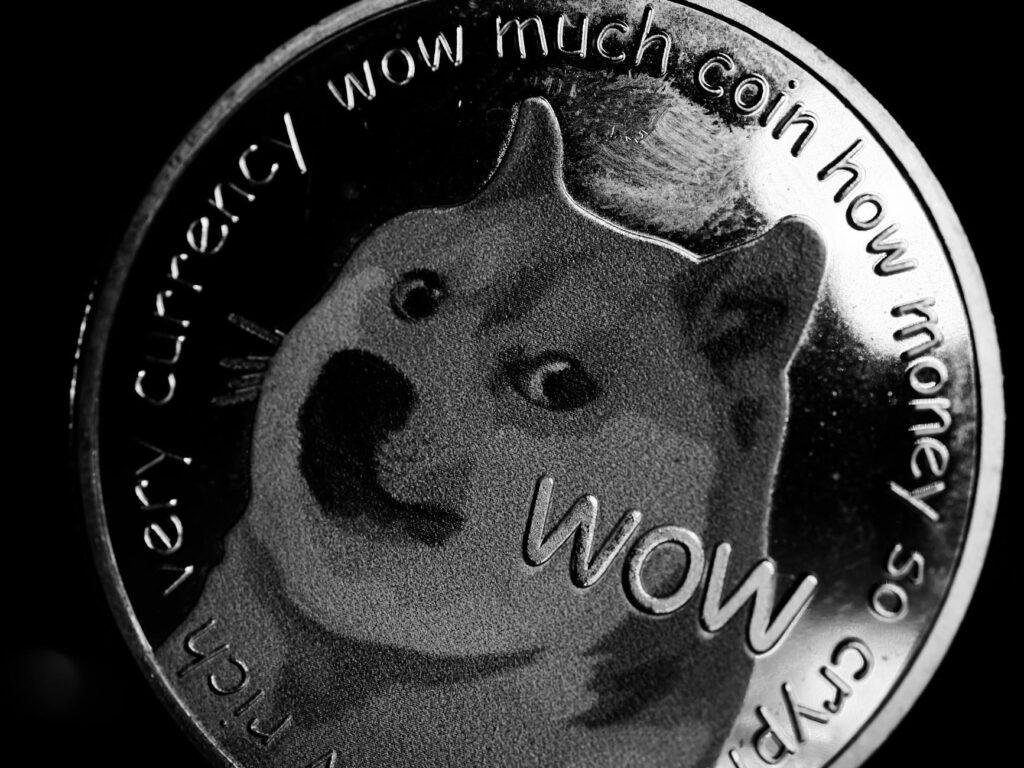
The NEIRO story begins with Kabosu, the Shiba Inu whose bemused expression became one of the most recognizable memes in internet history. Kabosu’s image spawned Dogecoin (DOGE) in 2013, which went on to become the original memecoin and a cultural phenomenon endorsed by figures like Elon Musk. Kabosu lived a long life in Japan with her owner, Atsuko Sato, but on May 24, 2024, the beloved dog passed away at the age of 18.
Shortly after Kabosu’s death, Sato announced she had adopted a new Shiba Inu puppy named Neiro. The crypto community seized on the news almost immediately. Within days, multiple teams launched tokens named “NEIRO” across different blockchains, each claiming to be the legitimate successor to the Doge memecoin legacy.
This triggered what became known as the NEIRO naming controversy. On Ethereum, two primary versions emerged: an uppercase “NEIRO” token and a lowercase “neiro” token, each backed by separate communities. The battle between these factions grew heated, with both sides accusing the other of being illegitimate. On Solana, yet more NEIRO-branded tokens appeared, further fragmenting attention and liquidity.
The decisive moment came when Binance listed the lowercase Ethereum version of NEIRO in September 2024. This listing effectively crowned the lowercase “neiro” as the canonical version in the eyes of the broader market, sending its price surging while competing versions saw sharp declines. The episode served as a stark reminder of how exchange listings can determine winners and losers in the memecoin arena — and how easily traders can get burned buying the wrong version of a hyped token.
How NEIRO Works
Like most memecoins, NEIRO has no underlying technology, protocol, or utility that differentiates it from a standard ERC-20 token on Ethereum. It does not power a decentralized application, generate yield, or serve a governance function. Its value is derived entirely from community sentiment, social media momentum, and speculative trading activity.
NEIRO can be traded on centralized exchanges like Binance as well as decentralized exchanges (DEXs) such as Uniswap. To trade on a DEX, users need an Ethereum-compatible crypto wallet and enough ETH to cover gas fees. Because multiple NEIRO tokens exist, it is critical to verify the correct contract address before making any swap — sending funds to the wrong contract could mean losing them entirely. You can find reputable trading platforms in our best crypto exchange guide.
The token’s price movements are almost entirely driven by social media trends, influencer endorsements, exchange listings, and broader memecoin market sentiment. There is no development roadmap, no team building products, and no revenue model. This is pure narrative-driven speculation, which is typical for the memecoin category. See our scam guide for tips on protecting yourself.
Tokenomics
The Ethereum version of NEIRO (the Binance-listed lowercase version) launched with a total supply of approximately 1 billion tokens. The token uses a standard ERC-20 contract with no built-in tax, reflection, or burn mechanism — a design choice that differentiates it from some other memecoins that impose transaction fees.
There was no formal presale or venture capital allocation. The token launched via liquidity pool on Uniswap, with early buyers acquiring tokens at extremely low prices before exchange listings drove demand. As with many memecoins, early holders and insiders typically hold disproportionately large shares of the supply, which creates significant rug pull and dump risk.
Important warning: Multiple versions of NEIRO still exist on both Ethereum and Solana. Only the Binance-listed Ethereum version has significant liquidity and exchange support. Other versions may be illiquid, abandoned, or outright scams. Always verify the correct contract address from official sources before buying. For a deeper understanding of how token supply and distribution affect price, see our tokenomics guide.
NEIRO vs Other Dog Memecoins
The dog-themed memecoin category is crowded, and NEIRO is far from the only option. Here is how it compares to the major competitors:
- NEIRO vs DOGE: Dogecoin is the original memecoin with its own proof-of-work blockchain, years of brand recognition, and high-profile endorsements. NEIRO is a simple ERC-20 token riding on the same Shiba Inu narrative but with none of DOGE’s infrastructure or track record.
- NEIRO vs SHIB: Shiba Inu (SHIB) has built an ecosystem around its token including ShibaSwap, Shibarium (a layer-2 chain), and multiple companion tokens. NEIRO offers no ecosystem or utility beyond speculative trading.
- NEIRO vs WIF: Dogwifhat (WIF) is a Solana-based memecoin that achieved massive gains through pure meme culture. Like NEIRO, WIF has no utility, but it benefits from Solana’s lower transaction fees and faster execution.
- NEIRO vs BONK: BONK is another Solana dog memecoin that has integrated itself into several Solana ecosystem projects. NEIRO lacks comparable integrations and relies more heavily on its connection to the original Doge lineage.
NEIRO’s primary differentiator is its direct narrative link to Kabosu and the original Doge meme. Whether that emotional connection translates into lasting value is entirely up to the market’s appetite for the story.
Pros and Cons
- Pro: Direct narrative connection to the Doge meme lineage through Kabosu’s successor dog
- Pro: Binance listing provides strong liquidity and mainstream exchange access
- Pro: Emotional storyline — a new dog continuing a beloved legacy — resonates with memecoin communities
- Con: Multiple competing versions created widespread confusion and led many traders to buy the wrong token
- Con: Pure memecoin speculation with zero utility, no roadmap, and no underlying technology
- Con: Extremely high scam risk due to copycat tokens still circulating on multiple chains. See our scam guide
- Con: Early holders and insiders likely control large portions of the supply, creating dump risk
Frequently Asked Questions
Is NEIRO a good investment?
NEIRO is a memecoin with no intrinsic value, utility, or revenue-generating mechanism. Its price is driven entirely by speculation and social media hype. While some traders have profited from short-term price swings, the vast majority of memecoin buyers lose money. Never invest more than you can afford to lose completely, and understand that NEIRO could go to zero at any time.
How do I buy NEIRO?
The Binance-listed version of NEIRO can be purchased on Binance and other centralized exchanges that have listed it. You can also buy it on Uniswap using an Ethereum-compatible wallet. If using a DEX, always verify the contract address from official sources before approving any transaction. Check our best crypto exchange guide to find a reputable platform, and read our memecoin buying guide for step-by-step instructions.
Will NEIRO go up in price?
Nobody can reliably predict memecoin prices. NEIRO’s value depends entirely on market sentiment, social media trends, and broader crypto market conditions. It could spike during a memecoin season or collapse if attention shifts to a newer narrative. Treat any memecoin position as high-risk entertainment spending, not a serious investment.
Which NEIRO is the real one?
The Binance-listed lowercase Ethereum version is widely considered the canonical NEIRO token. During the token’s chaotic launch, multiple versions appeared on both Ethereum and Solana, each claiming legitimacy. Binance’s decision to list the lowercase Ethereum version in September 2024 effectively settled the debate for most of the market. Other versions still exist but carry significantly higher risk and lower liquidity.
Is NEIRO safe?
No memecoin is “safe” in the traditional sense. NEIRO carries all the standard risks of memecoins — extreme volatility, potential for total loss, and vulnerability to whale manipulation. The additional danger specific to NEIRO is the existence of multiple fake or competing versions. If you buy the wrong contract, you could lose your entire investment with no recourse. Always verify contract addresses, use reputable exchanges, and never invest money you cannot afford to lose. Read our scam guide and rug pull guide for more on protecting yourself.