From Dogecoin’s Shiba Inu mascot to Pepe the Frog tokens, memecoins have become one of the most talked-about phenomena in cryptocurrency. But what exactly is a memecoin, and how do they differ from other cryptocurrencies? This complete guide covers everything you need to know about memecoins—what they are, how to buy meme coins, the risks involved, and whether they deserve a place in your portfolio.
What Is a Memecoin?
A memecoin is a cryptocurrency that originates from an internet meme, joke, or cultural reference rather than a specific technological innovation or utility. Unlike Bitcoin (designed as digital money) or Ethereum (designed as a smart contract platform), memecoins derive their value primarily from community sentiment, social media virality, and speculative trading rather than underlying technology or use cases.
The term “memecoin” comes from combining “meme”—a cultural unit of information that spreads virally—with “coin.” While many in traditional finance dismiss memecoins as worthless, their market capitalizations tell a different story. Dogecoin has maintained a market cap in the tens of billions, and multiple memecoins have created substantial wealth for early holders. The memecoin phenomenon reflects a broader truth about markets: value is ultimately determined by collective belief and demand, whether the asset is a stock, a commodity, or a token with a dog on it.
How Do Memecoins Work?
Technically, memecoins work the same way as any other cryptocurrency token. Most are created on existing blockchain networks—primarily Ethereum (as ERC-20 tokens) or Solana (as SPL tokens)—using standard token contracts. They can be traded on decentralized exchanges (DEXs) through liquidity pools and, if they gain enough traction, get listed on centralized exchanges.
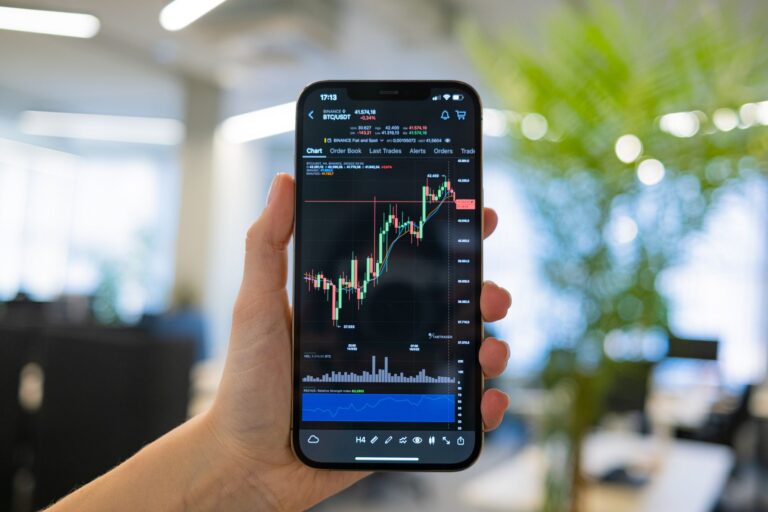
What makes memecoins unique is their value driver: community. A memecoin’s price is largely determined by social media buzz, celebrity endorsements, viral moments, and the strength of its community. Major social media posts from influential figures can send memecoin prices surging hundreds of percent in hours. This community-driven price action makes memecoins among the most volatile assets in an already volatile asset class.
Liquidity for newer memecoins is typically provided through automated market maker (AMM) pools on DEXs like Uniswap or Raydium. Early liquidity is often provided by the token creators and early supporters, with trading becoming more liquid as the token gains attention and more participants add to the pool.
Top Memecoins by Market Cap
The memecoin landscape has expanded dramatically since Dogecoin first emerged. Here are the most significant memecoins by market capitalization:
Dogecoin (DOGE): The original memecoin, created in 2013 as a joke based on the Shiba Inu “Doge” meme. Despite its humorous origins, DOGE has become one of the top cryptocurrencies by market cap, boosted by endorsements from Elon Musk and a passionate community. It features unlimited supply with inflationary tokenomics.
Shiba Inu (SHIB): Launched in 2020 as a self-proclaimed “Dogecoin killer,” SHIB built an extensive ecosystem including ShibaSwap DEX, the BONE governance token, and Shibarium Layer 2 network. SHIB demonstrated that memecoins could evolve beyond pure speculation into functional ecosystems.
Pepe (PEPE): Based on the iconic Pepe the Frog meme, PEPE exploded onto the scene in 2023 and quickly achieved a multi-billion dollar market cap. Its rise demonstrated the continued appetite for new memecoins and the power of cultural resonance in driving crypto valuations.
Bonk (BONK): The first major Solana-based memecoin, BONK was airdropped to the Solana community during a period of low morale following the FTX collapse. Its success helped reignite interest in the Solana ecosystem and inspired a wave of Solana memecoins.
dogwifhat (WIF): Another Solana memecoin that achieved multi-billion dollar valuation, featuring a Shiba Inu wearing a knitted hat. WIF’s success further cemented Solana as a major chain for memecoin activity.
Floki (FLOKI): Named after Elon Musk’s Shiba Inu dog, FLOKI has expanded into gaming, DeFi, and NFTs. It represents the trend of memecoins building utility to sustain long-term relevance.
Shiro Neko ($SHIRO): An Ethereum-based community-driven memecoin with a cat theme and Web3 integration. $SHIRO represents the growing diversity in memecoin theming beyond dogs, with listings on multiple exchanges and an active community. You can learn more about $SHIRO tokenomics or find out how to buy $SHIRO on our dedicated pages.
How to Buy Meme Coins
On Centralized Exchanges
The easiest way to buy meme coins is through centralized exchanges (CEXs) that list them. Major exchanges like Binance, Coinbase, KuCoin, and OKX list popular memecoins like DOGE, SHIB, and PEPE. The process is straightforward: create an account, complete identity verification (KYC), deposit funds via bank transfer or card, and buy the memecoin through the exchange’s trading interface. CEXs offer the simplest user experience but may not list newer or smaller memecoins.
On Decentralized Exchanges
For memecoins not available on centralized exchanges, decentralized exchanges (DEXs) are the primary marketplace. For Ethereum-based memecoins, Uniswap is the go-to platform. For Solana memecoins, Raydium and Jupiter are popular options. The process involves: setting up a Web3 wallet (MetaMask for Ethereum, Phantom for Solana), funding it with the base currency (ETH or SOL), connecting your wallet to the DEX, and swapping for the memecoin using its contract address.
When buying on DEXs, always verify the token contract address from official sources to avoid scam tokens that impersonate legitimate memecoins. Set appropriate slippage tolerance (usually 1-5% for established tokens, potentially higher for newer ones), and be aware of potential front-running by MEV bots.
Tips for Safe Memecoin Purchasing
The memecoin space is rife with scams. Protect yourself by: always verifying contract addresses from official project sources, checking if liquidity is locked (unlocked liquidity means the creator could pull funds), reviewing the token contract for malicious functions (honeypot traps, unlimited minting), starting with small positions to test that selling works, and never investing more than you can afford to lose entirely.
Are Memecoins a Good Investment? Risks and Rewards
Memecoins represent some of the highest-risk, highest-potential-reward investments in all of crypto. Early buyers of DOGE, SHIB, and PEPE made life-changing returns. But for every memecoin success story, thousands of others have gone to zero.
Risks: Extreme volatility (50%+ drops in a day are common), rug pulls and scams (especially for new tokens), no fundamental value backing, concentration risk (whale holders can crash prices), and regulatory uncertainty. During crypto market conditions that turn bearish, memecoins typically suffer the steepest declines.
Potential rewards: Outsized returns during bull markets, early access to cultural movements in crypto, community membership and entertainment value. Some view memecoin trading as similar to high-risk entertainment spending.
The key principle: only invest what you can afford to lose entirely, and treat memecoin positions as the highest-risk portion of an already risky crypto portfolio. As the market matures, understanding market recovery analysis helps contextualize memecoin price cycles.
How to Create Your Own Memecoin
Creating a memecoin has become increasingly accessible, though building one with lasting value is far more difficult than the technical creation process. On Ethereum, you can create an ERC-20 token by deploying a smart contract (templates are widely available). On Solana, token creation tools like pump.fun have simplified the process to a few clicks.
However, creating a memecoin that succeeds requires much more than deploying a token: you need a compelling concept or meme, initial liquidity provision, community building across social media platforms, marketing and viral growth strategies, and ongoing engagement to maintain interest. The vast majority of newly created memecoins fail to gain any traction. Be aware that creating tokens with the intent to defraud buyers is illegal in most jurisdictions.
Memecoin vs Utility Token: What’s the Difference?
The primary difference lies in the value proposition. Utility tokens like ETH, LINK, or UNI derive value from their functional role within a protocol or ecosystem—ETH powers Ethereum transactions, LINK provides oracle data, UNI governs the Uniswap protocol. Their value is tied to the usage and success of the underlying platform.
Memecoins derive value primarily from community sentiment, cultural relevance, and speculative demand. While some memecoins have added utility features over time (SHIB’s ecosystem, FLOKI’s gaming), their core value driver remains community and narrative rather than technological utility.
This distinction matters for investment decisions: utility tokens can be valued based on network usage metrics, revenue, and technical milestones, while memecoin valuation is inherently more subjective and sentiment-driven, making them harder to analyze and riskier to hold. Understanding crypto tax implications is important for both types of tokens.
Latest Memecoin News
This section is updated regularly with the latest memecoin developments, new launches, and market trends. Check back frequently for the latest updates on the memecoin market.
Frequently Asked Questions
Are memecoins safe?
Memecoins carry significant risks including extreme price volatility, rug pulls, and potential total loss of investment. Established memecoins like DOGE and SHIB are less likely to be outright scams but still carry high volatility risk. Newer memecoins carry additional smart contract and liquidity risks. Never invest more than you can afford to lose.
What is the best memecoin to buy?
There is no single “best” memecoin. Established memecoins like DOGE and SHIB have the most liquidity and track record, making them lower risk within this high-risk category. Newer memecoins offer potentially higher returns but with much greater risk. Research the community, check the liquidity, verify the contract, and make decisions based on your risk tolerance.
Can you make money with memecoins?
Yes, many traders have made significant profits from memecoins. However, for every success story, there are many more who have lost money. Timing, luck, and risk management all play crucial roles. Treat memecoin trading as high-risk speculation and never risk money you need.
How do I find new memecoins early?
Monitor crypto Twitter (X), Reddit communities like r/CryptoCurrency and r/memecoins, Telegram groups, and token tracking platforms like DEXScreener and DEXTools. New memecoins on Solana can be found on platforms like pump.fun. Always verify contracts and start with very small positions.
Where can I buy meme coins?
Established memecoins are available on major centralized exchanges (Binance, Coinbase, KuCoin). Newer memecoins are primarily traded on decentralized exchanges—Uniswap for Ethereum tokens, Raydium/Jupiter for Solana tokens. Always use official contract addresses when trading on DEXs.
What makes a memecoin successful?
The most successful memecoins share common traits: a compelling or culturally resonant meme concept, an active and growing community, strong social media presence, fair launch or distribution, locked liquidity, and often a catalyst like a celebrity endorsement or viral moment.