
Last Updated: March 2026
Ethereum remains the backbone of DeFi, NFTs, and the broader smart contract ecosystem. With major upgrades rolling out, institutional interest growing, and Layer 2 adoption surging, investors want to know: where is Ethereum headed in 2026? This Ethereum price prediction analysis examines the key factors that could shape ETH’s price trajectory.
Ethereum’s Current State
Since transitioning to proof-of-stake with The Merge in September 2022, Ethereum has undergone fundamental changes to its economic model. The combination of fee burning (EIP-1559) and reduced issuance under PoS means ETH can be deflationary during periods of high network activity—a dynamic that didn’t exist under proof-of-work.
The Dencun upgrade (EIP-4844) introduced blob transactions that dramatically reduced Layer 2 fees, boosting activity across Arbitrum, Optimism, Base, and other rollups. This has been a double-edged sword for ETH’s price: while it accelerates adoption and usage, it also reduces the amount of ETH burned as fees on mainnet.
Bullish Factors for Ethereum in 2026
Spot Ethereum ETF Impact
Following the success of spot Bitcoin ETFs, spot Ethereum ETFs have opened a new demand channel for institutional investors. While initial flows haven’t matched Bitcoin ETFs, they represent a significant on-ramp for traditional finance. As awareness grows and financial advisors become more comfortable recommending ETH exposure, ETF inflows could accelerate. For the latest on crypto ETF developments, check our ETF coverage.
Layer 2 Ecosystem Growth
Ethereum’s Layer 2 ecosystem has exploded, with total value locked (TVL) across rollups reaching new highs. Projects like Base (backed by Coinbase), Arbitrum, Optimism, and zkSync are onboarding millions of new users with low-fee transactions while settling on Ethereum’s secure base layer. This activity ultimately drives demand for ETH as the base asset for gas and security.
DeFi Renaissance
DeFi protocols on Ethereum continue to innovate, with restaking (EigenLayer), liquid staking derivatives, and real-world asset (RWA) tokenization creating new use cases and demand for ETH. The total value locked in Ethereum DeFi represents hundreds of billions in economic activity. For more on DeFi developments, see our DeFi news coverage.
Deflationary Supply Dynamics
ETH’s supply has been deflationary during periods of high network activity thanks to EIP-1559 burning a portion of transaction fees. When burn rate exceeds new issuance (~1,600 ETH/day under PoS), the total ETH supply decreases—a powerful narrative that has no parallel in traditional finance.
Bearish Factors and Risks
L2 Fee Revenue Reduction
The success of Ethereum’s rollup-centric roadmap has a potential downside: as more activity moves to Layer 2s, mainnet fee revenue decreases, reducing the burn rate and potentially making ETH inflationary again during low-activity periods.
Competition from Alternative L1s
Solana, Sui, Aptos, and other Layer 1 blockchains compete for users and developers with faster speeds and lower costs. While Ethereum maintains the largest ecosystem and strongest network effects, market share erosion remains a risk.
Regulatory Uncertainty
The classification of ETH as a security vs. commodity remains a regulatory question in some jurisdictions. While the approval of spot ETFs suggests commodity treatment in the US, ongoing regulatory clarity is needed. For the latest on crypto regulation, see our coverage of US crypto policy and the Clarity Act.
Ethereum Price Prediction Models
Valuation Frameworks
Unlike Bitcoin, which is primarily valued as a store of value, Ethereum can be valued through multiple frameworks:
- Fee revenue model: Valuing ETH based on the fees the network generates (similar to a P/E ratio)
- Monetary premium: ETH as the “money” of the Ethereum economy, valued by total economic activity it secures
- Discounted cash flow: Staking yield as a quasi-dividend, allowing traditional DCF analysis
- Relative valuation: ETH/BTC ratio analysis to gauge Ethereum’s performance relative to Bitcoin
Expert Price Targets
Analyst predictions for ETH in 2026 span a wide range:
- Bull case: $8,000-$15,000+, driven by ETF inflows, DeFi growth, and deflationary dynamics
- Base case: $4,000-$8,000, reflecting steady growth with typical market cycles
- Bear case: $2,000-$3,500, if macro conditions deteriorate or competition erodes market share
For comparison with Bitcoin’s outlook, see our Bitcoin price prediction. For broader market context, check why crypto moves down and recovery analysis.
ETH/BTC Ratio Analysis
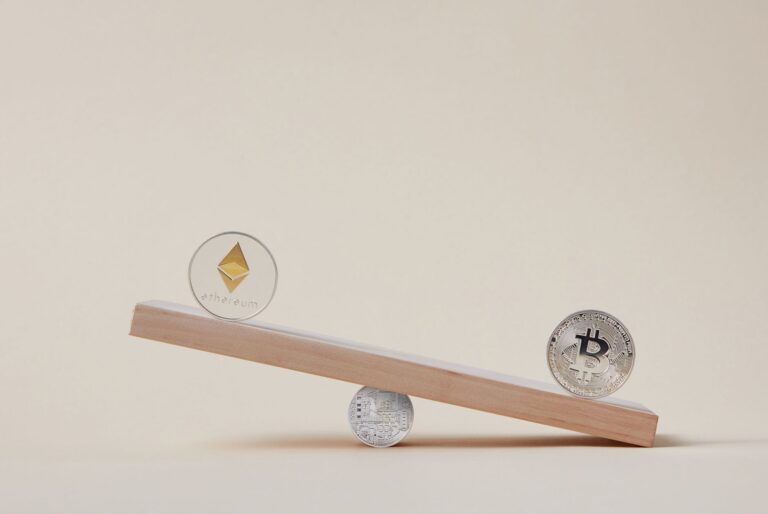
The ETH/BTC trading pair is closely watched as a measure of Ethereum’s relative strength. Historically, ETH has outperformed BTC during altcoin seasons and underperformed during Bitcoin dominance phases. The ratio tends to favor ETH when DeFi activity is high, new narratives emerge around Ethereum (like The Merge), or when risk appetite is elevated.
How to Position for Ethereum in 2026
- Staking for yield: Earn 3-5% APY while holding ETH through liquid staking solutions like Lido or Rocket Pool. Learn how in our staking guide
- Dollar-cost averaging: Regular purchases reduce timing risk and smooth out volatility
- Ecosystem diversification: Consider exposure to Ethereum ecosystem tokens (L2 tokens, DeFi protocols) alongside ETH itself
- Risk management: Set clear position sizes and use stop-losses for leveraged positions
Frequently Asked Questions
Will Ethereum reach $10,000 in 2026?
$10,000 ETH is within the bull case scenarios of many analysts, particularly if ETF inflows accelerate, DeFi activity surges, and macro conditions support risk assets. However, it would require significant catalysts beyond current trends.
Is Ethereum a good investment for 2026?
Ethereum has strong fundamentals including a deflationary supply mechanism, dominant DeFi ecosystem, growing institutional interest through ETFs, and an active development roadmap. However, all cryptocurrency investments carry significant risk and volatility.
Will Ethereum overtake Bitcoin?
The “flippening” (ETH surpassing BTC in market cap) remains a debated possibility. While Ethereum’s broader use cases provide more growth vectors, Bitcoin’s simpler narrative as “digital gold” has proven extremely sticky with institutional investors.
Should I stake my Ethereum?
If you plan to hold ETH long-term, staking provides additional yield. Liquid staking (via Lido, Rocket Pool) is popular because it doesn’t lock your ETH—you receive a derivative token that can be used in DeFi or sold at any time. See our complete crypto staking guide for details.
Related Articles
- Crypto Market Cycles Explained: Bull and Bear Patterns
- Dogecoin Price Prediction 2026: DOGE Forecast & Analysis
- Bitcoin Halving Explained: History, Impact & 2026 Outlook
- Best Altcoins to Buy in 2026: Top Picks by Sector
- Cardano Price Prediction 2026: ADA Forecast & Analysis
- What Is Cryptocurrency? Complete Beginner’s Guide
- What Is Gas in Crypto? Fees Explained Simply
- What Is Market Cap in Crypto? Why It Matters