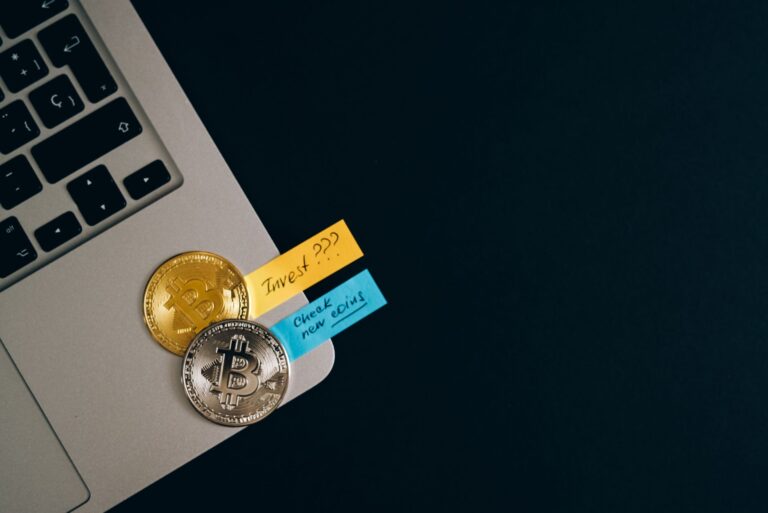
“Crypto gift card” means one of two things. Either it’s a voucher or code that loads cryptocurrency into someone’s account, which is a way to give crypto as a present, or it’s an ordinary retailer gift card (Amazon, Uber, Steam and so on) that you buy using crypto. This page covers both. The first half explains the cleanest ways to give crypto to a friend or relative, including exchange gift codes and retail vouchers. The second half explains how sites like Bitrefill and Coinsbee let you spend crypto on gift cards, what they cost and when identity checks kick in.
- Giving crypto: exchange gift codes and vouchers work, but each locks the recipient into one platform. Sending to an email or a new wallet is often simpler.
- Coinbase no longer sells gift cards. It points users to sending crypto directly to an email address or username instead.
- Spending crypto: gift-card marketplaces let you pay in BTC, Lightning, stablecoins and other coins, then redeem the card at the retailer.
- Every crypto spend can be a taxable disposal in the US, including buying a gift card.
- Anyone demanding payment in gift cards or crypto is almost certainly a scammer.
| What you want | What to use | Section |
|---|---|---|
| Give someone crypto as a present | Exchange gift code, retail voucher, email transfer, or a set-up wallet | Part 1 |
| Spend your crypto at a store that doesn’t accept it | Gift-card marketplace (Bitrefill, Coinsbee, Cryptorefills) | Part 2 |
| Turn an unwanted store gift card into crypto | That’s the reverse direction: see our guide to buying crypto with a gift card | Separate guide |
Part 1: Crypto gift card for someone: ways to give crypto
Before choosing a method, think about the recipient. Do they already have an exchange account? Will they want to keep the crypto, or cash it out? Are they in the US, where some international products aren’t available? The answers decide which option causes the least friction.
Exchange gift cards and codes
Binance Gift Card lets a sender load a code with a supported cryptocurrency, which the recipient redeems inside a Binance.com account. Two limitations matter. First, codes work only on Binance.com, not Binance.US, so they’re not useful for most US recipients. Second, since 20 July 2023 Binance has limited gift-card creation to entity (business) accounts that have passed KYB verification, so most individuals can now only redeem a code, not make one. In practice an individual sender buys a fixed-value code from Binance or an authorised reseller rather than creating one from their own balance. Check Binance’s gift card page for current eligibility, supported coins and any fees before you plan around it.
Coinbase sold gift cards in the past, but its help centre now says they are no longer available for purchase, while existing balances are still honoured. The replacement is sending crypto directly: you pick a coin and amount and send it to the recipient’s email address or Coinbase username, and they claim it by signing in or creating an account. The recipient needs to be in a country where Coinbase operates.
Retail crypto vouchers
A crypto voucher is a printed or emailed code, bought with cash or card, that the holder redeems for bitcoin into a wallet. Azteco is the best-known example; its help centre lists cash purchase at retail outlets in several Latin American countries, plus online sales through partners. Vouchers often carry noticeably higher fees than buying on an exchange (one published figure put Azteco’s charge at around 7% plus a processing fee), so they suit small gifts more than large amounts. Availability changes by country, so check the issuer’s current list.
Sending crypto to a new wallet
For a recipient who wants to learn self-custody, the most “real” gift is to help them set up a wallet and send the coins to it. A few tips:
- Have them write down the seed phrase themselves; you should never hold a copy.
- Send a small test amount first, then the rest.
- Choose a coin and network with low fees for small gifts. Bitcoin on Lightning or a stablecoin on a low-cost network works better than sending $25 on Ethereum mainnet.
If the recipient has never bought crypto before, pointing them to a beginner guide on how to buy crypto helps them understand what they’re holding and how to cash out later.
Gift tax and paperwork
In the US, giving crypto is treated as a gift of property. Gifts above the annual IRS gift-tax exclusion may require the giver to file a gift-tax return (Form 709), although tax is rarely owed. The recipient generally takes over your cost basis. Keep a record of the date, amount and original purchase price so they can report correctly if they sell. This is general information, not tax advice.
Part 2: Buy gift cards with crypto
If you hold crypto and want to spend it at a retailer that only takes dollars, a gift-card marketplace is the bridge. You choose a brand and value, pay in crypto, and receive a gift-card code by email or on-screen. The marketplace has already bought the card from the retailer or a distributor, so the retailer never touches crypto.
How it works, step by step
- Pick the country you’ll use the card in. Gift cards are usually region-locked: a UK Amazon card won’t work on Amazon.com.
- Select the brand and denomination.
- Choose the payment coin and network. Lightning and stablecoins on cheap networks usually confirm fastest and cheapest.
- Send the exact amount shown within the payment window (often 15–30 minutes, because the crypto price is locked for that time).
- Receive the code and redeem it at the retailer promptly.
The main marketplaces
| Platform | Background | Payment options | Things to check |
|---|---|---|---|
| Bitrefill | Long-running service, early adopter of Lightning payments | BTC, Lightning, plus major altcoins and stablecoins | Service fees reported at 0–3% depending on country; identity checks may apply on larger orders |
| Coinsbee | Germany-based platform founded in 2019 | Large list of coins (it advertises 200+) | Brand catalogue and fees vary by country |
| Cryptorefills | Gift cards, mobile top-ups and game credits | BTC, Lightning, stablecoins and others | Brand count varies by region; compare the final price against face value |
As of October 2026, Bitrefill’s site advertises more than 8,000 products (gift cards, eSIMs, payment cards and phone refills) in 180+ countries, and also takes card and Apple Pay payments alongside crypto. Coinsbee advertises 5,000+ brands, 195+ countries and 200+ accepted cryptocurrencies. Cryptorefills lists more than 6,600 products, including travel bookings, and says no account is needed to order.
Catalogue sizes quoted online for these platforms conflict, so don’t choose based on headline brand counts. Search for the exact card you need in your country and compare the final amount you’ll pay, including network fees.
Buying gift cards inside an exchange app: Crypto.com Pay
You don’t always need a separate marketplace. The Crypto.com app has a Pay → Gift Cards section where you pick a country, choose a brand and pay from your in-app crypto balance. As of October 2026, its help centre lists about 40 supported countries, including the US, UK, Canada, Australia, Singapore and much of the EU, and accepts coins such as BTC, ETH, LTC, XRP, DOGE, CRO and PYUSD. Daily spending is capped at US$200 for users without a Crypto.com card (and for the entry-level card tier), rising to US$1,000 for higher card tiers. The code is sent to your own account and email, so to give one as a present you forward it yourself. As with the marketplaces, a card bought for one country usually won’t work in another.
Fees, Lightning and KYC thresholds
There are three layers of cost: any service fee or markup over face value, the blockchain network fee, and the exchange-rate spread built into the crypto price quote. Paying with Lightning or a stablecoin on a low-fee network keeps the network fee close to zero; paying in BTC on-chain during a busy period can cost more than the discount you were chasing.
Small purchases on these platforms have commonly needed only an email address, but larger orders, cumulative spending over time or certain countries can trigger identity verification (KYC), and thresholds change as regulations tighten. Assume you may be asked to verify and don’t try to split orders to avoid it.
Is a crypto gift card better than a crypto debit card?
Gift cards suit occasional, specific purchases and give you a fixed amount to spend. If you want to spend crypto regularly anywhere cards are accepted, a crypto debit card is usually more practical; compare options in our guide to the best crypto debit cards. For rent, utilities and other recurring payments, see how to pay bills with crypto.
Tax on spending crypto
The IRS treats crypto as property, so swapping crypto for a gift card is a disposal. If your coins rose in value since you bought them, you may owe capital gains tax on the difference, even on a $50 card. Track the cost basis of the coins you spend.
Crypto gift card services compared (as of October 2026)
The services below fall into two groups: products that put crypto into someone’s account (Part 1) and shops where you spend crypto on retailer cards (Part 2). Figures come from each provider’s own site or help centre in October 2026 and change often, so treat them as a starting point.
| Service | Supported coins | Regions | What you can buy | Fees / KYC |
|---|---|---|---|---|
| Binance Gift Card | Selected coins and stablecoins held on Binance | Binance.com users only; not Binance.US | A 16-character code that credits crypto to a Binance account | Creation limited to KYB-verified business accounts since July 2023; the recipient needs a verified Binance account to redeem |
| Coinbase gift cards | n/a (no longer sold) | Existing cards redeem in US accounts only | Nothing new; send crypto to an email or username instead | Recipient needs a Coinbase account in a supported country |
| Bitrefill | BTC, Lightning, ETH, USDT, USDC, LTC, DOGE, SOL, DASH, Binance Pay and more; cards also accepted | 180+ countries | Retailer gift cards, eSIMs, phone refills, payment cards | Small orders often need only an email; purchase limits apply and higher limits require ID, proof of address and a selfie |
| Coinsbee | 200+ cryptocurrencies, plus Binance Pay and Crypto.com Pay | 195+ countries | 5,000+ gift-card brands and mobile top-ups | Optional account; KYC and AML policy applies to some orders |
| Cryptorefills | BTC, Lightning, ETH, USDT, USDC, DOGE and others across several networks | 180+ countries | Gift cards, top-ups, eSIMs, flights and hotel stays | No account needed for ordinary orders; compare final price with face value |
| Crypto.com Pay (in-app) | BTC, ETH, LTC, XRP, DOGE, CRO, PYUSD and about 20 others | About 40 countries, including the US and UK | Retailer gift cards from the app’s brand list | Requires a verified Crypto.com account; US$200–1,000 daily limit by card tier |
If your aim is the opposite trade, turning a store card into crypto, see the separate guide linked in the table at the top of this page.
Bitcoin gift card scams to avoid
Gift cards and crypto share a property scammers love: once a code is read out or coins are sent, the money is very hard to recover. Warning signs:
- Anyone asking you to pay them in gift cards or crypto. The IRS, Social Security, utility companies, police and real tech-support teams do not take payment this way. Neither do legitimate romance partners or employers.
- “Free” exchange gift-card codes on social media or in giveaways, which are usually phishing lures to capture login details.
- Look-alike gift-card sites offering big discounts. Type the address yourself or use a bookmark.
- Requests to photograph the back of a card or share the code before you’ve received anything.
Gift cards demanded as payment: always a scam
If someone tells you to pay a bill, fine, tax, bail, “account unlock” or delivery charge with a gift card, it’s a scam. The US Federal Trade Commission states plainly that anyone who demands payment by gift card is a scammer, and the same logic applies to crypto. Expect urgency, secrecy and instructions to read out or photograph the card numbers; the money is gone once the code is shared. Crypto gift card marketplaces are a newer twist: instead of asking you to visit a store, a scammer may send you to a crypto site, ask you to buy a card there with coins, and then request the code. A legitimate business never does this.
Crypto sellers who want to be paid in gift cards
The reverse trap catches people trying to buy crypto. A “seller” on social media, a messaging app or an unmoderated forum offers bitcoin or USDT at a discount, but only in exchange for Amazon, Apple, Steam or similar cards. You hand over the codes and never receive the coins. Even on legitimate peer-to-peer platforms, gift-card trades are a common source of disputes, because a card can be drained before the platform can check it, and some cards bought with stolen credit cards are later frozen by the retailer. If you trade this way at all, keep the whole deal inside a platform’s escrow and chat, and never move to private messages. Our guide to peer-to-peer crypto exchanges explains how escrow and reputation systems work. Also be wary of anyone offering “Coinbase gift cards” today: Coinbase stopped selling them, so the only codes in circulation are second-hand.
Read more in our overview of crypto scams. If you’ve been targeted, report it to the FTC at reportfraud.ftc.gov and the FBI at ic3.gov, and contact the gift-card issuer immediately; they can sometimes freeze unspent balances.
FAQ
Can I buy a crypto gift card for someone in the US?
Yes, but options are narrower than abroad. Binance Gift Cards only work on Binance.com, which doesn’t serve US residents, and Coinbase no longer sells gift cards. The most practical choices are sending crypto to the recipient’s email or username on an exchange they can use, or helping them set up a wallet and sending coins directly.
What is a crypto voucher?
A crypto voucher is a code, bought with cash or card from a retailer or online partner, that the holder redeems for cryptocurrency, usually bitcoin, into a wallet. Vouchers are convenient for small gifts and for people without bank access, but fees are typically higher than buying on an exchange, and availability depends on the country.
Which coins can I use to buy gift cards with crypto?
Most marketplaces accept bitcoin on-chain and via Lightning, ether, litecoin, dogecoin and major stablecoins such as USDT and USDC, often on several networks. Accepted coins vary by platform, so check the payment screen before ordering. For small cards, choose Lightning or a stablecoin on a cheap network to keep fees low.
Do I need ID to buy gift cards with crypto?
Often not for small amounts, where an email address may be enough. Larger purchases, high cumulative spending or certain jurisdictions can trigger identity verification, and platforms adjust their thresholds as rules change. Expect that you may be asked for ID, and never use these services to dodge legal reporting requirements.
Can I still buy a Binance Gift Card?
You can still redeem one in a Binance.com account, but individuals generally can’t create new cards from their own balance. Since July 2023, creation has been limited to business accounts that pass KYB checks, which then sell or distribute fixed-value codes. If someone offers you a Binance code, buy only from Binance or a reseller it lists, check the card number before paying, and remember that the codes don’t work on Binance.US.
Does Crypto.com sell gift cards?
Yes. As of October 2026, the Crypto.com app sells retailer gift cards under Pay → Gift Cards in about 40 countries, paid from your crypto balance. Daily limits range from US$200 to US$1,000 depending on your Crypto.com card tier, and paying with CRO can earn rewards. The codes are delivered to your account and email, not straight to a recipient.
Crypto is volatile and risky; this is education, not financial advice. Do your own research.
Do crypto gift cards expire?
Some do. Exchange gift codes and retail crypto vouchers often carry an expiry date or a window in which the code must be redeemed, and the rules differ by issuer and country. Retail gift cards bought with crypto usually follow the retailer’s own policy. Check the terms before giving one, tell the recipient the deadline, and redeem codes promptly, since an expired code may not be refundable.
What should I do if a gift card I bought with crypto doesn’t work?
Contact the marketplace you bought it from first, through its official support channel, with your order number and the transaction ID. Reputable platforms usually investigate and may replace the card or refund you, but only within their stated time limits. Do not share the code publicly or with anyone claiming to help on social media. Because crypto payments cannot be reversed, buying from established platforms with clear refund policies matters.
Can I sell an unwanted gift card for crypto?
Some peer-to-peer marketplaces let you trade gift cards for crypto, but this is one of the riskiest corners of the market. Buyers may claim a code did not work after redeeming it, and scammers use stolen gift cards to launder money. If you try it, use a platform with escrow and dispute resolution, trade only with established users, and expect to receive less than face value.
Does a crypto gift card lose value if the price drops?
It depends on how it is denominated. A gift code worth a fixed amount of dollars or pounds is usually converted into crypto at the rate when it is redeemed, so the recipient gets that value in coins on that day. A code denominated in a specific amount of crypto rises and falls with the market until it is redeemed. After redemption, the recipient holds ordinary crypto with ordinary price risk.