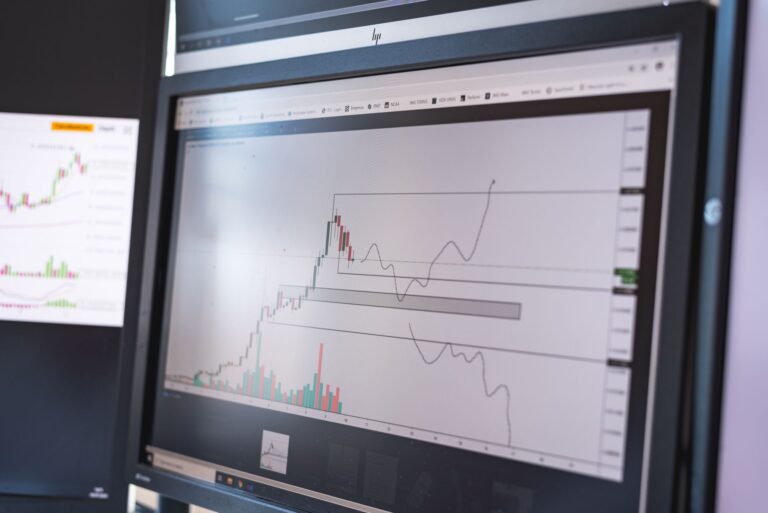
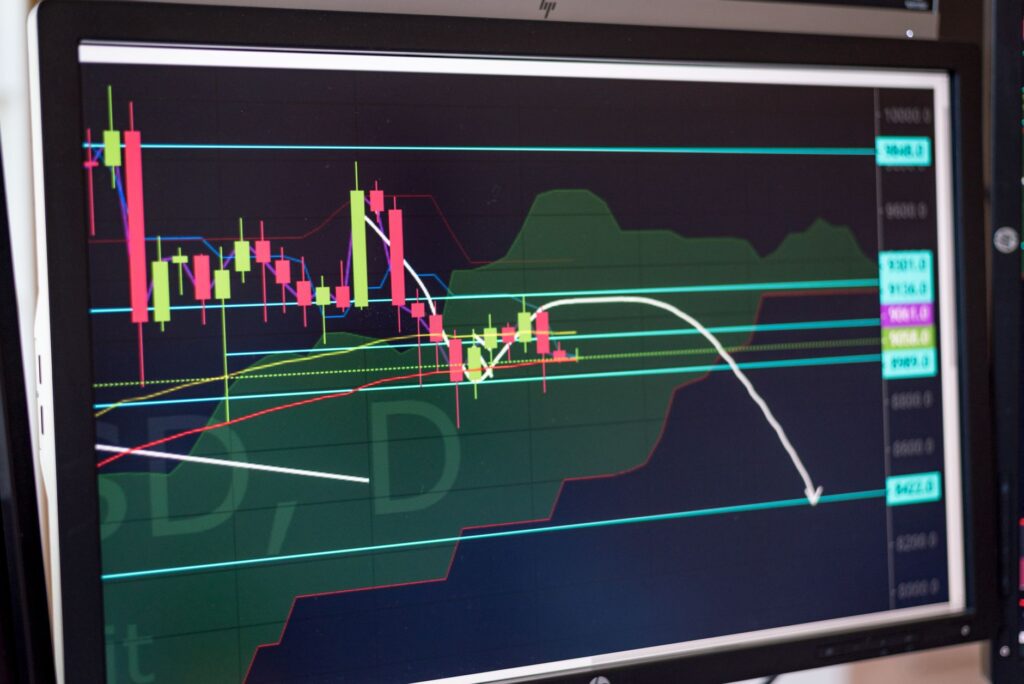
Crypto swing trading is a style of active trading that aims to capture medium-term price “swings,” holding positions for several days to a few weeks rather than minutes or years. It sits between fast-paced day trading and passive long-term investing, making it popular with people who want to trade actively without being glued to a screen all day. Swing traders lean heavily on technical analysis — trend, support and resistance, and momentum indicators — to time entries and exits. It is not easy money: crypto is volatile, signals fail, and overnight moves can hurt. This beginner’s guide explains how swing trading works, how to plan a trade, and how to manage the very real risks involved.
Key takeaways
- Swing trading holds positions for days to weeks, aiming to capture medium-term moves.
- It relies on technical analysis: trend direction, support and resistance, and momentum tools like RSI and MACD.
- It needs less screen time than day trading but more attention than buy-and-hold.
- Crypto’s 24/7 market means overnight and weekend gaps are a genuine risk for swing positions.
- Risk management — position sizing, stop-losses, and a written plan — matters more than any single signal.
What is swing trading in crypto?
A “swing” is a sustained move in one direction before price reverses or pauses. Swing traders try to enter near the start of such a move and exit near the end, capturing the bulk of the swing rather than the exact top or bottom. Holding periods typically run from a few days to a few weeks, depending on how the trade develops.
This timeframe is the appeal. Day traders and scalpers must watch screens constantly; long-term holders must endure deep drawdowns and do nothing for years. Swing trading offers a middle path — active enough to respond to the market, but slow enough to fit around a job. It is one of several common approaches to active trading, and many people find it the most sustainable entry point into trading.
How swing trading works
Swing trades are built around technical analysis. The trader identifies an opportunity, defines exactly where they will enter, where they will exit for a profit, and where they will cut the trade if it goes wrong — all before placing the order. The plan is set in advance precisely so emotion does not drive decisions once the trade is live.
Reading the trend
The first job is to establish the prevailing trend, usually with moving averages and price structure (higher highs and higher lows for an uptrend, lower highs and lower lows for a downtrend). Most beginners do better trading with the trend than against it, because counter-trend trades fail more often. Getting comfortable with this starts with reading crypto charts confidently.
Finding entries with support, resistance and momentum
Within a trend, swing traders look for favourable entry points — for example, a pullback to a support level or a rising moving average in an uptrend, ideally with a momentum indicator like RSI showing the dip is overdone or MACD turning back up. The goal is to enter where the potential reward clearly outweighs the risk, with a logical place to put a stop-loss just beyond the level that would prove the idea wrong.
Planning the exit
Good swing traders define exits before entering. A common framework targets a reward at least two or three times the amount risked, so winners outweigh losers even if you are right less than half the time. Exits can be set at the next resistance level, a momentum reversal signal, or a trailing stop that locks in gains as price rises. The exit plan matters as much as the entry.
A worked example
Suppose a large-cap coin is in a clear uptrend on the daily chart — price is making higher highs and higher lows and sits above a rising 50-day moving average. After a strong push up, price pulls back toward the 50-day average, which has acted as support before. As price reaches it, RSI dips toward oversold and then ticks up, and a bullish candle forms at the level. This is a textbook swing setup: a dip within an uptrend, at support, with momentum starting to turn.
The trader plans the trade fully before acting. Entry: on confirmation of the bounce. Stop-loss: just below the support level and the moving average, because a clean break there would invalidate the idea. Target: the recent swing high, where resistance is likely. They size the position so that if the stop is hit, they lose only a small, predefined fraction of their account — not a number that would hurt. Over the following days the trade can play out three ways: it reaches the target and they exit with a planned profit; it hits the stop and they take the small, pre-accepted loss without hesitation; or it stalls and they reassess against their rules. In every case the outcome was bounded in advance. That discipline — not the entry itself — is what separates swing trading from gambling.
Risks specific to swing trading
- Overnight and weekend gaps: Crypto trades 24/7, so a position held for days is exposed to sudden moves while you sleep. News can hit at any hour. A stop-loss helps but cannot guarantee your exact exit price during a fast crash.
- False signals: Every indicator and pattern fails some of the time. A clean-looking setup can reverse immediately. This is normal, which is why each trade must risk only a small amount.
- Volatility: Crypto’s swings are larger than most traditional assets, which means both bigger opportunities and bigger losses. Position sizing must account for this — see how crypto compares in our crypto vs stocks guide.
- Emotional pressure: Holding a position for days invites second-guessing. Sticking to a written plan is harder than it sounds.
- Fees and taxes: More trades than buy-and-hold means more fees and, in many places, taxable events to track.
Risk management for swing traders
Survival depends on a few non-negotiable habits. Risk only a small, fixed percentage of your account on any single trade so that no one loss is catastrophic. Always use a stop-loss and place it at a level that genuinely invalidates your trade idea, not at an arbitrary distance. Aim for a reward-to-risk ratio that lets you stay profitable even with a modest win rate. Keep a trading journal recording why you entered, where your stop and target were, and what happened, so you can learn from patterns over time. Think at the portfolio level too — a sound crypto portfolio strategy keeps your active trades from overwhelming your overall risk.
Getting started safely
Before risking real money, practise. A crypto paper trading account lets you run full swing trades — entry, stop, target — in real market conditions without financial risk, which reveals whether you can actually follow your plan under pressure. The hardest part of swing trading is rarely finding setups; it is executing your own rules calmly when real money is moving and emotions are loud. When you do go live, start with small position sizes, keep a journal, and accept that consistency, not any single big win, is the goal. Swing trading is a skill that takes time to develop, and most people lose money while learning, so treat your early capital as tuition and protect it accordingly.
Choosing where to trade
Because swing trades involve more transactions than buy-and-hold, the platform you use matters. Look for a reputable, liquid venue with reasonable fees, since costs and slippage chip away at returns over many trades. Reliability is just as important: you do not want an exchange that freezes during the volatile moments when you most need to act on a stop or target. Whatever you pick, only keep funds you are actively trading on the platform, and never trade with money you cannot afford to lose. Swing trading rewards patience and discipline far more than it rewards activity, so resist the urge to force trades when no clean setup is present — sitting on your hands is often the most profitable move.
FAQ
How long do you hold a swing trade in crypto?
Swing trades are typically held from a few days to a few weeks — long enough to capture a medium-term move, but shorter than long-term investing. The exact duration depends on how the trade develops: you exit when it reaches your target, hits your stop-loss, or your reason for being in the trade no longer holds. The plan, not the calendar, decides the exit.
Is swing trading good for beginners?
Swing trading is often more beginner-friendly than day trading or scalping because it needs less screen time and fewer split-second decisions. That said, it still requires learning technical analysis and strict risk management, and most beginners lose money while learning. Start with a paper trading account, keep position sizes small, and treat early losses as part of the learning curve.
What indicators do swing traders use?
Swing traders commonly combine trend tools (moving averages and price structure), support and resistance levels, and momentum indicators like RSI and MACD. No single indicator is enough — the idea is to have trend, level, and momentum agree before entering. Indicators are lagging and probabilistic, so they confirm setups rather than guarantee them, and must be paired with risk management.
How is swing trading different from day trading?
The main difference is holding time. Day traders open and close positions within the same day and hold nothing overnight, requiring intense screen time. Swing traders hold for days to weeks and check charts far less often, but in exchange they carry overnight and weekend risk. Swing trading suits part-time traders; day trading is closer to a full-time job.
Crypto is volatile and risky; this is education, not financial advice. Do your own research.