The intersection of artificial intelligence and cryptocurrency represents one of the fastest-growing sectors in the digital asset space. AI crypto news has become increasingly important as AI-powered blockchain projects, decentralized compute networks, and AI trading tools reshape the landscape. With a traffic potential of 5,400 against just 600 monthly searches, this is a rapidly expanding topic that is capturing growing investor attention. Here’s everything you need to know about where AI meets crypto.
The AI and Crypto Convergence: Why It Matters
Artificial intelligence and blockchain technology are converging in ways that create powerful synergies. AI needs vast computational resources and large datasets—blockchain can provide decentralized access to both. Blockchain needs better automation, security analysis, and user experience—AI can deliver these improvements. This mutual benefit is driving a wave of projects building at the intersection of these two transformative technologies.
The market has responded with enthusiasm. AI-related crypto tokens have significantly outperformed the broader market during recent rallies, with some projects delivering returns that dwarf even the most successful memecoins. However, this excitement also comes with risks—many projects are in early stages, and the “AI” label has been applied loosely to projects with minimal actual AI functionality.
Top AI Crypto Projects
Render Network (RNDR/RENDER): A decentralized GPU rendering network that connects artists and studios needing computational power with GPU owners willing to rent out their idle capacity. Originally focused on 3D rendering, Render has expanded to support AI and machine learning workloads. As AI compute demand skyrockets, decentralized GPU networks like Render are positioned to fill the gap left by centralized cloud providers.
Fetch.ai (FET): Building autonomous AI agents that can perform tasks on behalf of users—from DeFi trading to supply chain optimization. Fetch.ai’s agent framework allows developers to create AI-powered applications that interact with blockchain networks autonomously. The project merged with SingularityNET and Ocean Protocol to form the Artificial Superintelligence Alliance (ASI).
Bittensor (TAO): A decentralized machine learning network where AI models compete and collaborate. Miners contribute AI models (rather than proof-of-work computations), and the best-performing models earn TAO tokens. This creates a marketplace for AI intelligence that operates outside the control of any single company.
Akash Network (AKT): A decentralized cloud computing marketplace that has found significant product-market fit as AI compute demand outstrips supply from centralized providers. Akash allows anyone to rent out spare computing resources, with a growing focus on GPU compute for AI training and inference.
Ocean Protocol (OCEAN): Now part of the ASI Alliance, Ocean focuses on decentralized data sharing and monetization. In the AI context, access to quality training data is crucial—Ocean’s marketplace allows data providers to monetize their datasets while maintaining control over access and usage rights.
Decentralized AI Compute: Solving the GPU Shortage
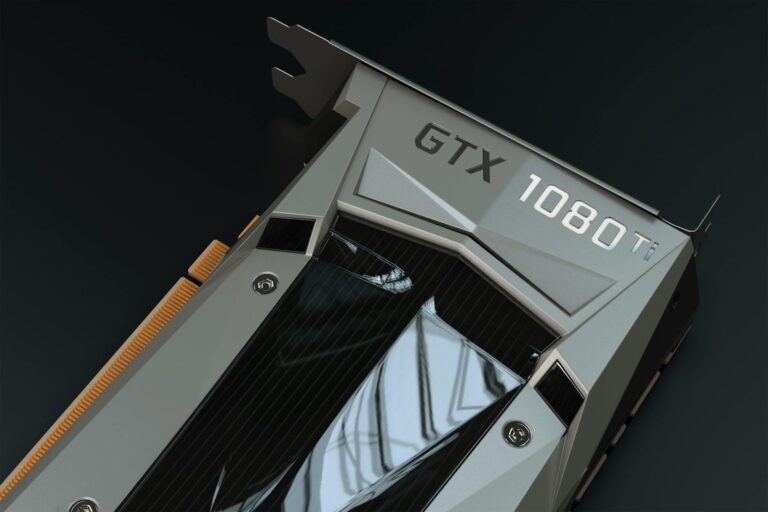
One of the most tangible use cases for AI crypto projects is decentralized compute. The demand for GPU computing power—driven by training and running large AI models—has created a global shortage. Companies like NVIDIA have seen their stock price surge as AI companies compete for limited GPU resources. Decentralized compute networks offer an alternative by aggregating underutilized GPUs worldwide.
For speculative scenarios on one GPU network’s token, see our Render price prediction; treat its targets as informed estimates, not guarantees.
Projects like Render, Akash, io.net, and Nosana are building marketplaces where GPU owners can rent out their hardware for AI workloads. This creates a more efficient allocation of computing resources and provides access to AI compute for researchers and companies who might otherwise be priced out of centralized cloud services. The economics can be compelling—decentralized compute can be significantly cheaper than AWS or Google Cloud for certain workloads.
AI Trading Bots and DeFi Automation
AI is increasingly being applied to cryptocurrency trading and DeFi operations. AI-powered trading bots can analyze vast amounts of market data, identify patterns, and execute trades faster than human traders. While automated trading has existed in crypto for years, the integration of large language models and more sophisticated machine learning techniques represents a significant upgrade.
Key applications include: sentiment analysis of social media and news to predict price movements, automated portfolio rebalancing based on market conditions, MEV (maximal extractable value) optimization in DeFi, yield farming strategy optimization, and risk assessment for lending protocols. However, AI trading tools are not magic—they carry risks including model overfitting, unexpected market conditions, and smart contract vulnerabilities.
AI Agents in Crypto
One of the most exciting developments is the emergence of AI agents that operate autonomously within crypto ecosystems. These agents can manage portfolios, participate in governance voting, interact with DeFi protocols, and even create content. The concept of AI agents with their own crypto wallets—capable of earning, spending, and transacting independently—raises fascinating questions about the future of autonomous economic actors.
Readers researching Venice.ai’s token can see our step-by-step VVV purchase guide, which covers both exchange and Base on-chain routes.
Projects like Virtuals Protocol have pioneered the concept of tokenized AI agents, where each agent has its own token and can operate within defined parameters. This creates new economic models where AI agents can be owned, traded, and monetized in decentralized markets. The implications for automation of on-chain activities are significant, though regulatory frameworks haven’t yet caught up with this innovation.
Risks and Challenges of AI Crypto Projects
Despite the excitement, investors should be aware of several risks in the AI crypto sector:
Staying informed is the best defense against hype, and our list of top crypto news sources points to reliable outlets for following this sector.
Hype vs. reality: Many projects label themselves “AI” with minimal actual AI functionality. Due diligence is essential—examine whether the project has genuine AI capabilities, a technical team with AI expertise, and a product that actually uses AI rather than just invoking the buzzword.
Centralization concerns: Some “decentralized AI” projects are far more centralized than they appear. Check whether the AI models, training data, or compute resources are actually distributed or controlled by a single entity.
Regulatory uncertainty: Both AI and crypto face regulatory scrutiny independently. Projects at their intersection may face compound regulatory risk from both domains. As governments develop AI regulations alongside crypto regulations, compliance becomes increasingly complex.
Technical complexity: AI crypto projects are technically ambitious, combining two cutting-edge technologies. The probability of technical failure or delays is higher than for simpler crypto projects. Many ambitious AI crypto roadmaps may take years longer than expected to deliver. When evaluating these projects against broader market conditions, remember that high-beta AI tokens can see amplified volatility.
How to Invest in AI Crypto
For investors looking to gain exposure to the AI crypto narrative, consider diversifying across different sub-categories: decentralized compute (RNDR, AKT), AI agent platforms (FET/ASI), decentralized AI networks (TAO), and data marketplaces (OCEAN). Many of these tokens are available on major exchanges and through DEX platforms.
As with any crypto investment, position sizing is crucial. AI crypto tokens tend to be more volatile than Bitcoin or Ethereum, and many are in early stages with uncertain outcomes. Allocate a portion of your crypto portfolio that you’re comfortable losing entirely, and focus on projects with genuine technical merit rather than marketing hype.
Frequently Asked Questions
What are AI crypto coins?
AI crypto coins are tokens associated with blockchain projects that integrate artificial intelligence. These include decentralized compute networks (Render, Akash), AI agent platforms (Fetch.ai), decentralized machine learning networks (Bittensor), and data marketplaces (Ocean Protocol). Their value is tied to the adoption and utility of the underlying AI-blockchain platforms.
Are AI crypto projects a good investment?
AI crypto has been one of the best-performing sectors, but also one of the most volatile. Projects with genuine AI functionality, strong teams, and real product-market fit have the best long-term prospects. However, many projects are early-stage and speculative. Diversify, do your own research, and only invest what you can afford to lose.
How is AI used in crypto trading?
AI is used for automated trading strategies, sentiment analysis, price prediction, portfolio optimization, and risk management. AI trading bots can analyze market data 24/7 and execute trades based on predefined strategies. However, no AI can predict the market with certainty, and past performance doesn’t guarantee future results.
What is decentralized AI?
Decentralized AI refers to artificial intelligence systems that operate on blockchain networks rather than being controlled by a single company. This includes distributed compute networks for AI training, tokenized AI agent marketplaces, and decentralized data sharing platforms. The goal is to democratize access to AI capabilities.
Will AI replace crypto traders?
AI tools are becoming increasingly sophisticated, but they’re unlikely to fully replace human judgment in crypto trading. AI excels at processing data, identifying patterns, and executing trades quickly. Humans still have advantages in understanding narrative shifts, regulatory implications, and black swan events. The most effective approach likely combines AI tools with human oversight.